Announcements & News
Will the Price of JDM Cars Ever Go Down?
As of July 2026, JDM prices are no longer moving in one simple direction. The pandemic-era run-up is behind us, but the broader U.S. used-car market remains firm: Cox Automotive’s mid-June 2026 Manheim Used Vehicle Value Index was 2.6% higher than June 2025. Collector-grade JDM prices still depend heavily on model rarity, U.S. import eligibility, exchange rates, and condition.
JDM demand is still anchored by the 25-year import rule. Late-1990s cars now have a larger eligible pool, and 2001-2002 cars are becoming eligible month by month as they hit 25 years from manufacture. That keeps buyer attention on Skylines, Supras, RX-7s, kei trucks, and other enthusiast models even when mainstream used-car prices flatten.
Some prices may soften when supply improves or demand cools, but a broad crash has not shown up in the data. Mainstream wholesale used-vehicle values were still higher year over year in mid-2026, while the rarest JDM models have their own supply constraints. For example, before Covid-19, you could often find a Nissan Skyline R32 GT-R around the mid-$30,000s. Today, clean, low-mileage examples usually trade above that level, and sub-$40,000 cars tend to involve higher mileage, needs, or history issues.
Compared to new and fairly used cars produced in recent years, JDM car prices have been increasing. In this article, we look at the reasons behind ever-increasing JDM car prices in the United States, why we think prices will drop, and our speculations on the JDM car price bubble.
Factors That Drive Up JDM Car Prices
Increasing demand for JDM cars
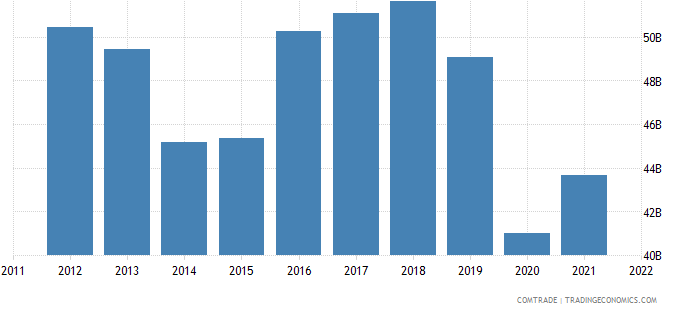
Some will say there’s no bad JDM car. It’s about how much you are willing to spend. There’s a car for every budget. Based on JDM import statistics, Japan remains a major source of U.S. vehicle supply: JAMA reported 4.22 million Japanese motor-vehicle exports in 2024, including 1,369,063 vehicles to the United States, while USTR reported $146.0 billion in total U.S. goods imports from Japan in 2025. Those numbers are not limited to used JDM imports, but they show that Japan-to-U.S. automotive trade remains large enough to keep prices sensitive to exchange rates, tariffs, shipping, and buyer demand.
So, what drives the high demand for JDM cars in the United States? The most sought-after JDM cars are sports cars or cars with a high cult following in the JDM car scene. For example, the Toyota Supra is among the most iconic JDM cars, but no one would pass the chance at buying a Chaser or Mark II with a 1JZ or 2JZ engine.
The Honda Civic is just an ordinary hatchback, but in the hands of the right tuner, it can decimate any car at the drag strip. For that reason, it’s among the most sought-after JDM cars, and prices have not been pocket-friendly lately since most go for more than $12,000.
Aftermarket support is a major factor when considering buying a JDM car in the US. Aftermarket parts manufacturers have made it easier and cheaper to own and maintain JDM cars; thus, more people feel more comfortable buying them, thus creating a high demand.
Lastly, JDM cars represent some of the last great cars ever made. As we entered the 21st century, manufacturers shifted towards safety and other non-driver aspects of vehicles, and very few new cars meet enthusiastic drivers’ expectations, especially new JDM cars. For instance, the MK5 Supra is nothing like its predecessors. Hardcore enthusiasts will even say it’s not even a Toyota Supra.
Semiconductor Shortage
There have been semiconductor shortages in the past, but 2020 saw the biggest semiconductor shortage, and the effect was felt across different manufacturers, including automotive manufacturers. It was expected that the deficit would end in September 2020, six months after it had begun in March, but that was not the case.
Semiconductor manufacturers depleted their inventories due to massive accumulated orders, and more orders piled up after the September 2020 shortage. In 2021 the Renesas factory in Japan caught fire, and an ice storm in Texas took out Samsung, NXP, and Infineon semiconductor factories. These are just the major calamities that led to semiconductor shortages across automotive manufacturers.
Fewer cars were produced in 2020, 2021, and 2022 leaving buyers with no options to turn to used cars, and JDM cars fall into this category. Used car prices went up by 30% in 2021, bringing the average cost of a used car to around $33,000. Some buyers who wanted something reliable and fun to drive opted for JDM cars for that price. JDM import figures dropped during the Semiconductor shortage period, but local sales were like any other year.
New-car production has improved since the worst of the semiconductor shortage, but the used market is not back to pre-Covid conditions. In Cox Automotive’s mid-June 2026 Manheim report, wholesale used-vehicle prices were up 0.6% from May and up 2.6% year over year. It remains uncertain whether JDM prices will follow mainstream used cars, because collector demand, import eligibility, and Japan auction supply can move differently.
Psychological Element
In the 20th Century, Japanese manufacturers didn’t have mass manufacturing capabilities as today, including automotive manufacturers. Fewer JDM cars were produced then, meaning it won’t be long before some top-of-the-line sports cars and sedans start disappearing on auctions and prices increase due to the rarity factor.
This creates the fear of missing out, causing buyers to flock to the market in search of a specific make and model, and sellers hike the prices due to high demand. Prices for other cars in the class will also steadily increase, which is the case with the Mazda RX-7 FD.
There is still no certainty about whether JDM car prices will increase or drop across the board. Higher financing costs, insurance, storage, and repair costs can push casual buyers out of the market, but rare models keep support from collectors and enthusiasts. No one knows when the JDM price bubble will fully deflate, and many buyers and sellers are still waiting to see which models hold value as more 2000s cars become import-eligible.
Market Manipulation
Over time there have been instances where fraudulent importers have held on to inventories, creating demand and then releasing the inventory when the prices get to where they want. Something similar happens in Japanese auction houses where some exporters buy JDM cars at auction in bulk when prices are low and then relist the cars again when the prices are high. Both situations create a false high demand and low supply, which hikes prices even when buying from individual sellers and importers.
Some playmakers and wealthy buyers also love playing around with JDM car prices behind the scenes by bidding outrageously at auctions and paying more than the car’s value. This causes sellers to up their prices as they believe the cars will sell for more than they’re worth. Slowly JDM car prices increase; even individual sellers will price their JDM cars at dealership prices.
Reasons JDM Car Prices Might Drop

Higher borrowing costs and slower discretionary spending
Used-car market correction discussion
Mainstream used-car prices can still move month to month, but they were not broadly down year over year in mid-2026. It is still unclear whether any mainstream correction will affect JDM car prices in the same way. Popular JDM cars such as the Nissan Silvia, Toyota Supra, Nissan Skyline, and Honda NS-X can keep rising when clean supply is limited.
On the other hand, 350Zs and other small sports cars, such as the Mazda Miata, are becoming more affordable due to continued production, which makes newer model years more desirable. Kei cars, vans, and truck prices are also expected to drop.
People are realizing JDM cars aren’t what they seem
The JDM car culture is one of the most welcoming, regardless of what car one drives. Whether it’s an old Nissan Pao or an award-winning Nissan Silvia drift car, all are JDM cars. This drives more people to want to buy JDM cars, drive them, spend money on them and make great memories. But this has not been the case lately, especially after hard economic times during and after Covid 19.
Over time, JDM cars have earned a reputation for being money pits, especially when sourcing parts and maintaining highly tuned cars. Most JDM cars develop issues due to old age, such as rust and worn-out parts, which can be expensive to repair or replace. Also, you can never expect a car to be in 100% driving condition, especially if it’s over 20 years old.
Tough economic times deem JDM cars non-economical to buy and maintain, which drives down the demand. Due to this, more will flood the market, and prices will drop with a reduced buyer pool.
JDM cars are also considered more of a hobby or luxury than a necessity. Most owners rarely leave their cars stock and pour finances and time into them only to sell them. They might sell at a profit or loss, but fewer people buy JDM cars to build and flip.
Used Car Prices Are Dropping In Japan
Used Car Prices Are Dropping In Japan
JDM car prices have been fluctuating, especially at auction houses, in what some buyers call a “market correcting itself” phase. Some cars don’t meet reserve, leaving sellers to relist or lower expectations. Inventories can still bunch up when shipping costs, exchange rates, tariffs, or U.S. buyer demand change quickly, and the United States remains one of the largest destinations for Japan-built vehicles.
Dealers and auction houses who rush to clear inventories will slightly lower their prices. However, most of the cars at JDM car auctions are not pristine as cars in dealerships; thus, dealership prices are higher than auction prices.
The weakening of the Japanese Yen against the US dollar will also likely influence a drop in JDM car prices. However, it’s still early to determine this since used car prices in Japan are still high. It might not also affect total importation costs to the United States since most shipping companies quote shipping costs in USD, which increases the cost of buying, inspection, and shipping.
Our Speculations
When Will The Bubble Fully Pop?
When Will The Bubble Fully Pop?
If Japan auction prices soften, U.S. landed prices can decrease slightly, but the effect will not hit every make and model equally. R34 Skylines are a good example: Nissan lists the R34 GT-R generation as 1998-2002, and NHTSA applies the 25-year clock from the vehicle’s manufacture date, so early R34s are already eligible while later cars become eligible month by month through 2027. That rolling eligibility can support prices even when weaker models cool off.
Are The Current Prices Temporary?
During a recession, people reduce spending to save more and prioritize needs over wants; thus, buying a car is only prioritized if it’s a need. A car, especially an old JDM car, is unnecessary in most households. Thus, JDM cars have low demand, and people who need cars turn to hybrids, thus crippling normal car prices and inflating hybrid car prices.
Unlike previous recessions, new and used car demand is higher now due to low production in the previous years caused by semiconductor shortage, and used cars don’t include JDM cars. The Low demand for JDM cars does not decrease prices but rather stagnates them in the US market as they drop in Japan due to the weakening Japanese Yen.
Should I Wait For Prices To Drop Or Buy Now?
There has never been a universal good time or bad time to buy a JDM car. If a car is rare, clean, and popular in the JDM scene, waiting can still be expensive. For example, a 1998 Nissan Skyline R34 is already in the 25-year eligibility window, while later R34s require checking the exact manufacture month before import.
Waiting for prices to go down has its cons. For starters, JDM cars will never be affordable like they were five years ago, it might take a while before prices go down, and waiting might not save you not save a lot of money. On the brighter side, older JDM cars’ production models depreciate. For example, the Nissan 350Z and the Mazda Miata.
Key Indicators To Look Out For
Following JDM car auctions in Japan and local sales and auctions is the best way to watch JDM car prices. You can determine if prices are increasing or decreasing by observing current bids and recent sales and comparing them with sales from 2-3 years ago to see where prices will be in the coming years. Also, inflation, shipping, and USD/YEN exchange rates help determine prices if you buy and ship a JDM car from Japan.
FAQ
FAQ