Beat generation
Honda Beat PP1 for sale
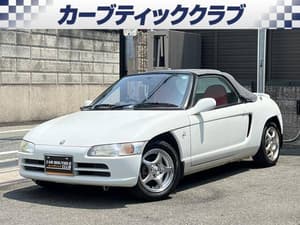
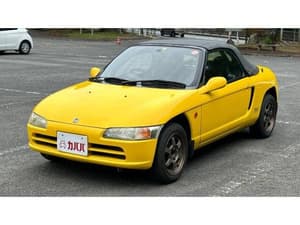
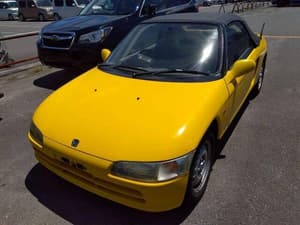
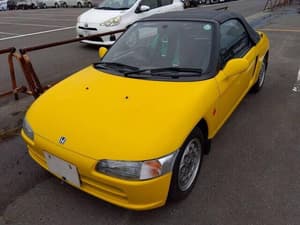
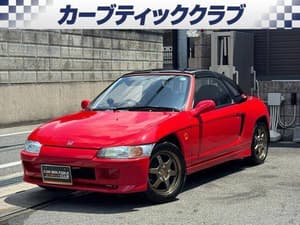
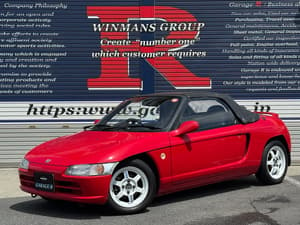
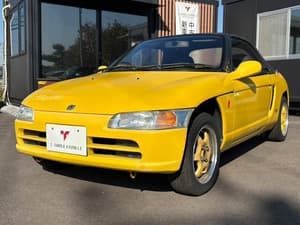
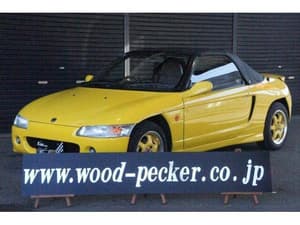
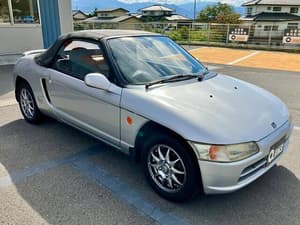
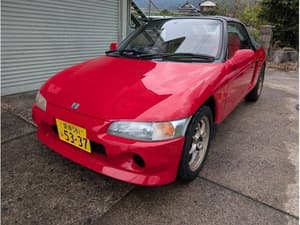
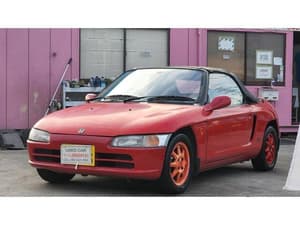
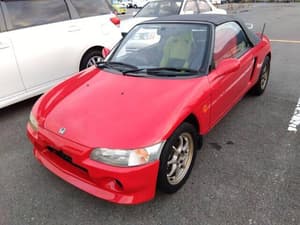
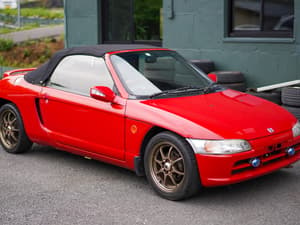
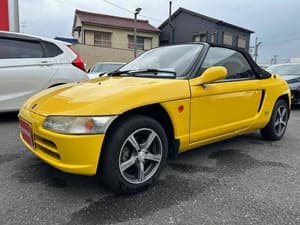
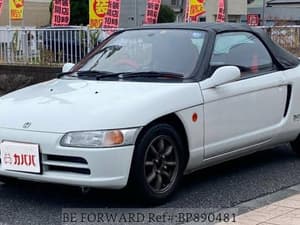
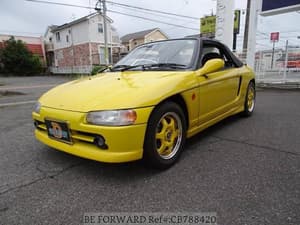
Honda Beat PP1 (1991-1996). Mid-engine kei roadster, E07A 660cc three-cylinder. One of the original three kei sports cars alongside the Cappuccino and AZ-1.
Read more
Honda Beat PP1 — pricing right now
- Listings
- 201
- From
- $2,380CA$3,392£1,799A$3,411€2,124¥376,720
- Up to
- $33,487CA$47,730£25,311A$47,988€29,883¥5,300,516
- Average
- $9,222CA$13,144£6,970A$13,215€8,230¥1,459,712
Source: JDMBUYSELL marketplace data. Prices and availability can change.
170 of 201 listings match your filters.
For sale
Available Honda Beat PP1 listings
-
1995 Honda Beat
Japan$10,771CA$15,352£8,141A$15,435€9,612¥1,704,896PicknBuy24
-
1991 Honda Beat
Japan$4,810CA$6,856£3,636A$6,893€4,292¥761,355PicknBuy24
-
1991 Honda Beat
Japan$6,090CA$8,680£4,603A$8,727€5,435¥963,960PicknBuy24
-
1993 Honda Beat
Japan$14,994CA$21,372£11,333A$21,487€13,380¥2,373,337PicknBuy24
-
1991 Honda Beat
Japan$5,860CA$8,352£4,429A$8,398€5,229¥927,555PicknBuy24
-
1991 Honda Beat
Japan$6,800CA$9,692£5,140A$9,745€6,068¥1,076,343PicknBuy24
-
1991 Honda Beat
Japan$8,530CA$12,158£6,447A$12,224€7,612¥1,350,178PicknBuy24
-
1991 Honda Beat
Japan$9,311CA$13,271£7,038A$13,343€8,309¥1,480,000Garage R
-
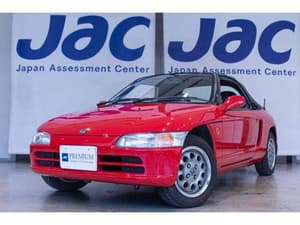
1991 Honda Beat
Japan$8,580CA$12,229£6,485A$12,295€7,657¥1,358,092PicknBuy24
-
1991 Honda Beat
Japan$5,410CA$7,711£4,089A$7,753€4,828¥856,326PicknBuy24
-
1992 Honda Beat
Japan$12,329CA$17,573£9,319A$17,668€11,002¥1,951,505PicknBuy24
-
1991 Honda Beat
Japan$5,860CA$8,352£4,429A$8,398€5,229¥927,555PicknBuy24
-
1991 Honda Beat
Japan$5,200CA$7,412£3,930A$7,452€4,640¥823,086PicknBuy24
-
1991 Honda Beat
Japan$4,200CA$5,986£3,175A$6,019€3,748¥664,800PicknBuy24
-
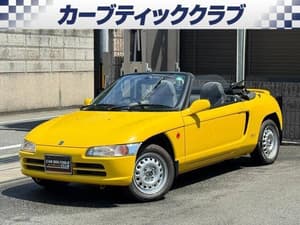
1993 Honda Beat
Japan$8,000CA$11,403£6,047A$11,464€7,139¥1,266,286PicknBuy24
-
1991 Honda Beat
Japan$5,230CA$7,455£3,953A$7,495€4,667¥827,835PicknBuy24
-
1991 Honda Beat
Japan$6,800CA$9,692£5,140A$9,745€6,068¥1,076,343GRAVITY AUTO
Replies in ~12h
-
1991 Honda Beat
Japan$5,680CA$8,096£4,293A$8,140€5,069¥899,063PicknBuy24
-
1991 Honda Beat
MB, Canada$30,118CA$42,928£22,765A$43,160€26,877¥4,767,251JDM Rush Imports
Replies in ~3d
-
1991 Honda Beat
MB, Canada$23,753CA$33,855£17,954A$34,039€21,197¥3,759,762JDM Rush Imports
Replies in ~3d
-
1993 Honda Beat
MB, Canada$25,773CA$36,735£19,480A$36,933€22,999¥4,079,500JDM Rush Imports
Replies in ~3d
-
1995 Honda Beat
MB, Canada$17,438CA$24,854£13,180A$24,989€15,561¥2,760,188JDM Rush Imports
Replies in ~3d
-
1995 Honda Beat
MB, Canada$24,125CA$34,385£18,235A$34,572€21,529¥3,818,645JDM Rush Imports
Replies in ~3d
-
1991 Honda Beat
MB, Canada$9,482CA$13,514£7,167A$13,588€8,462¥1,500,866JDM Rush Imports
Replies in ~3d
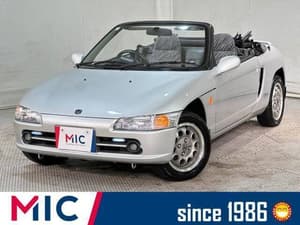
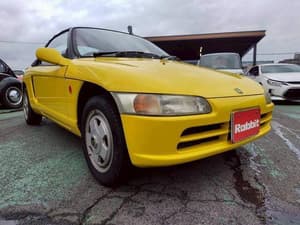
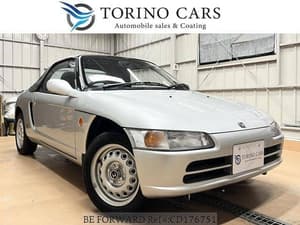
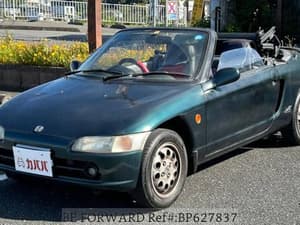
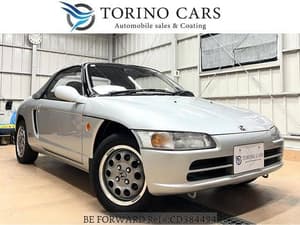
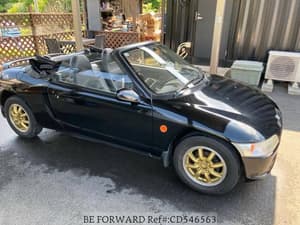
History & specs
About the Honda Beat PP1
The Honda Beat (chassis code PP1) was produced from May 1991 through February 1996 as a two-seat, right-hand-drive kei roadster sold exclusively through Honda Primo dealerships in Japan. Honda never homologated the Beat for export markets; every example outside Japan is a private import. Approximately 33,600 units were built across the single PP1 generation, with roughly two-thirds of production concentrated in the first two years as initial demand eased. The car was sized and powered to the Japanese kei-class regulations then in force: displacement capped at 660 cc, output capped at 64 PS, and overall length not exceeding 3.4 metres.
The PP1 uses the E07A 656 cc SOHC three-cylinder in naturally-aspirated form with Honda's MTREC system — individual throttle bodies, one per cylinder — producing 64 PS at 8,100 rpm and 60 Nm torque at 7,000 rpm, with a redline near 9,000 rpm. The engine is mounted transversely behind the seats in a mid-engine layout driving the rear wheels. The standard gearbox is a five-speed manual; a three-speed automatic was available on all trim levels but is uncommon in the market. Where the Suzuki Cappuccino and the Autozam AZ-1 used turbocharged F6A engines to reach the 64 PS ceiling, Honda chose a naturally-aspirated, high-revving approach; the trade-off is modest torque and a 0–60 time in the region of 13 seconds. Three named special editions appeared during the run: Version F (Aztec Green Pearl, alloy wheels, February 1991), Version C (Captiva Blue Pearl, white alloy wheels, May 1992), and Version Z (Blade Silver Metallic or Everglade Green Metallic, black gauges, rear spoiler, exhaust finisher, May 1993).
Under the US federal 25-year rule, 1991 Beat PP1 examples began reaching NHTSA's manufacture-date age threshold for import in 2016; the last 1996 production reached eligibility in 2021. All Beats are right-hand drive with no factory left-hand-drive option. State-level registration rules vary and should be confirmed before purchase, as some states impose additional restrictions on kei vehicles. Pre-purchase inspection priorities for this model are underbody rust — sills, floor pans, rear wheel arches, and trunk floor are the documented failure areas — and cooling system condition, including the underfloor coolant pipes (prone to corrosion), radiator end tanks (age-brittle plastic), and confirmation that the system has been bled correctly. The E07A's high-rpm character accelerates wear on neglected examples; a compression and leakdown test, timing belt service history, and oil condition check are advisable. Trim and weatherstrip parts have become harder to source; stock, documented cars with original interior and roof seals command a measurable premium over modified or worn examples.
FAQ