Honda model
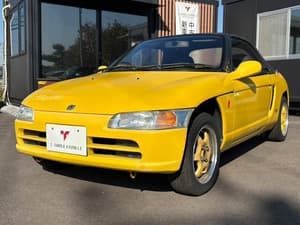
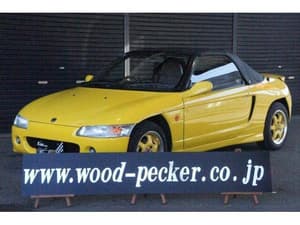
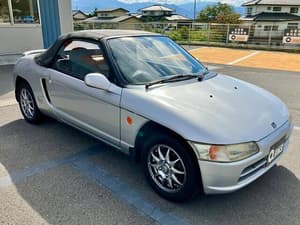
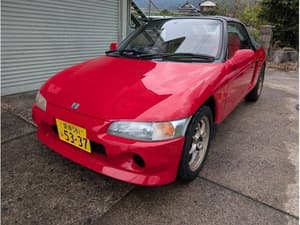
Honda Beat for sale
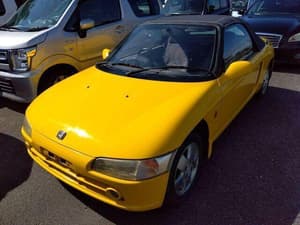
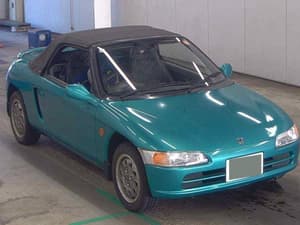
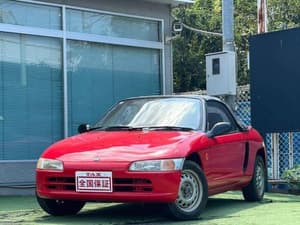
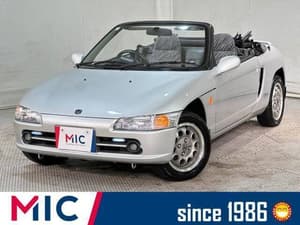
Honda Beat PP1 (1991-1996). Mid-engine kei roadster, E07A 660cc three-cylinder. One of the original three kei sports cars alongside the Cappuccino and AZ-1.
Read more
Honda Beat — pricing right now
- Listings
- 360
- From
- $2,349CA$3,292£1,757A$3,342€2,096¥368,492
- Up to
- $25,370CA$35,551£18,971A$36,099€22,633¥3,979,843
- Median
- $6,990CA$9,795£5,227A$9,946€6,236¥1,096,535
Source: JDMBUYSELL marketplace data. Prices and availability can change.
197 of 360 listings match your filters.
197 listings
Sold-price history ↓For sale
Available Honda Beat listings
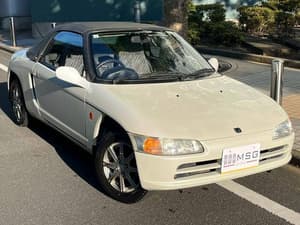
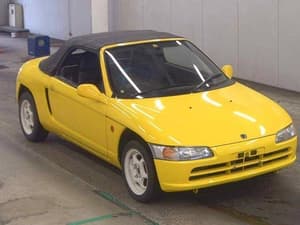
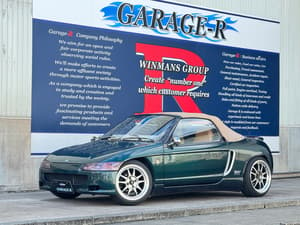
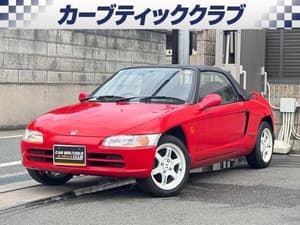
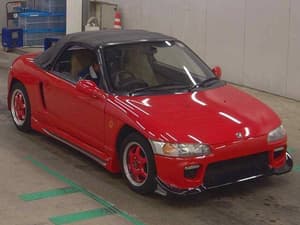
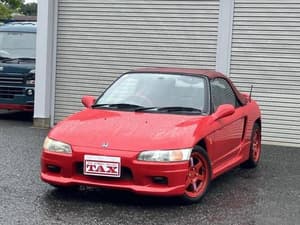
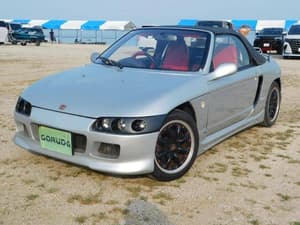
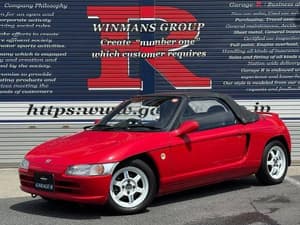
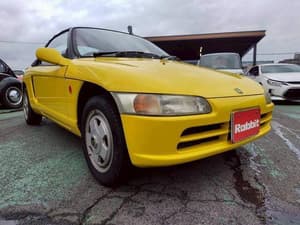
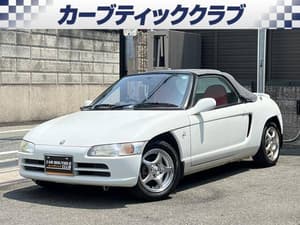
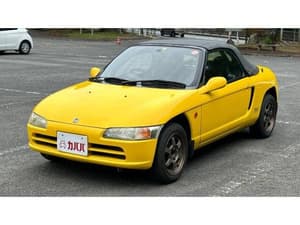
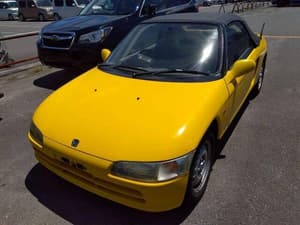
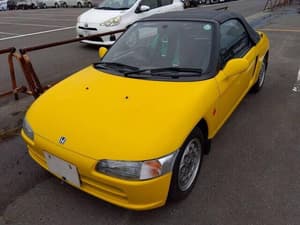
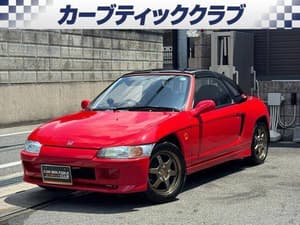
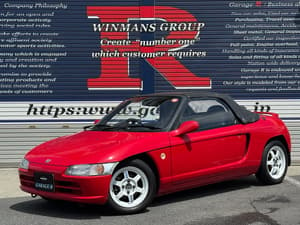
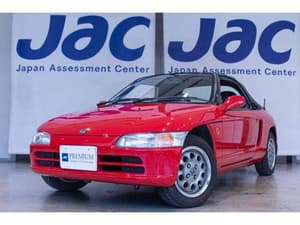
Get new Honda Beat listings by email
Matching manual. Save this search and we'll email you when matching cars are listed.
Market & demand
Median reported sold price · Honda Beat
US$10,800
13 seller-reported sales · n=13 · last 48 months · dated Feb 2024–Oct 2026 · as of 26 Oct 2026.
Middle half of salesUS$8.5–
Reported soldn=13
Median days to sell30
Box: middle half of sales · Tick: median · Whisker: observed sale range
Median per period; periods with fewer than 5 sales left out.
Show as table
| Period | Sales | Median | Middle half |
|---|---|---|---|
| All · last 48 months | n=13 | US$10,800 | US$8.5– |
| 2024 | n=3 | Fewer than 5 sales: not summarised | |
| 2025 | n=5 | US$11,990 | US$12.0– |
| 2026 | n=5 | US$8,500 | US$6.8– |
History & specs
About the Honda Beat
The Honda Beat (chassis code PP1) was produced from May 1991 through February 1996 as a two-seat, right-hand-drive kei roadster sold exclusively through Honda Primo dealerships in Japan. Honda never homologated the Beat for export markets; every example outside Japan is a private import. Approximately 33,600 units were built across the single PP1 generation, with roughly two-thirds of production concentrated in the first two years as initial demand eased. The car was sized and powered to the Japanese kei-class regulations then in force: displacement capped at 660 cc, output capped at 64 PS, and overall length not exceeding 3.4 metres.
The PP1 uses the E07A 656 cc SOHC three-cylinder in naturally-aspirated form with Honda's MTREC system — individual throttle bodies, one per cylinder — producing 64 PS at 8,100 rpm and 60 Nm torque at 7,000 rpm, with a redline near 9,000 rpm. The engine is mounted transversely behind the seats in a mid-engine layout driving the rear wheels. The standard gearbox is a five-speed manual; a three-speed automatic was available on all trim levels but is uncommon in the market. Where the Suzuki Cappuccino and the Autozam AZ-1 used turbocharged F6A engines to reach the 64 PS ceiling, Honda chose a naturally-aspirated, high-revving approach; the trade-off is modest torque and a 0–60 time in the region of 13 seconds. Three named special editions appeared during the run: Version F (Aztec Green Pearl, alloy wheels, February 1991), Version C (Captiva Blue Pearl, white alloy wheels, May 1992), and Version Z (Blade Silver Metallic or Everglade Green Metallic, black gauges, rear spoiler, exhaust finisher, May 1993).
Under the US federal 25-year rule, 1991 Beat PP1 examples began reaching NHTSA's manufacture-date age threshold for import in 2016; the last 1996 production reached eligibility in 2021. All Beats are right-hand drive with no factory left-hand-drive option. State-level registration rules vary and should be confirmed before purchase, as some states impose additional restrictions on kei vehicles. Pre-purchase inspection priorities for this model are underbody rust — sills, floor pans, rear wheel arches, and trunk floor are the documented failure areas — and cooling system condition, including the underfloor coolant pipes (prone to corrosion), radiator end tanks (age-brittle plastic), and confirmation that the system has been bled correctly. The E07A's high-rpm character accelerates wear on neglected examples; a compression and leakdown test, timing belt service history, and oil condition check are advisable. Trim and weatherstrip parts have become harder to source; stock, documented cars with original interior and roof seals command a measurable premium over modified or worn examples.
FAQ