Editorial notes
Key Takeaways
The Every has run since 1982 across five generations, and they're more different from each other than the badge suggests. The early ST10 and DA51 cars are simple carb-fed kei vans. The DA62 brought the K6A turbo. The DA64 modernized everything. The DA17 is the current car and won't be US-legal for years.
- Best value: roomy kei van with low running costs
- 4WD + turbo trims bring the strongest premiums
- Rust/underbody condition matters more than mileage
- US demand rising as 25-year eligibility expands
- Auto vs manual: autos easier, manuals more durable
- Parts support strong via Suzuki/Carry ecosystem
Technical Specifications
Every Every is a kei vehicle, which means the engine is capped at 660cc and the body fits the kei box. The F5A and F6A engines ran the early cars. The K6A turbo arrived with the DA62 and is the one most overlanders want. The current R06A is a refinement of the same idea. Gearing matters more than power on these, so check what transmission you're getting.
Engine Options
| Chassis | Engine | Displacement | Power — JDM | Notes |
|---|---|---|---|---|
| DA64V/DA64W | K6A | 0.66L | estimated | NA output varies by van/wagon calibration |
| DA64V/DA64W | K6A (Turbo) | 0.66L | estimated | Intercooled turbo; output capped by kei regs |
Livability
- Headroom
- 39.0"
- Tall roof; upright seating, good with helmet/hats
- Rear Seats
- Varies by trim
- Often thin/flat; best for short trips unless Wagon
- Cargo
- Huge for size
- Van trims swallow bikes/gear; seats fold/come out
Variants & Trims
Joypop is the passenger-trim Every. Joypop Turbo adds the turbo engine to that trim. On later cars you'll see Join and Join Turbo doing the same job, and the Wagon PZ Turbo Special is the loaded passenger spec with the power sliding door. The van bodies (PA, PC, GA) are the commercial trims and they're what most US imports actually are.
| Generation | Trim | Engine | Key Features |
|---|---|---|---|
| DA64V/DA64W (4th gen) | Every PC | K6A 0.66L I3 NA | commercial base, manual windows (market), steel wheels |
| DA64V/DA64W (4th gen) | Every PA | K6A 0.66L I3 NA | commercial mid, cloth seats, keyless (market) |
| DA64V/DA64W (4th gen) | Every Join | K6A 0.66L I3 NA | upper van trim, power windows (market), trim panels |
| DA64V/DA64W (4th gen) | Every Join Turbo | K6A 0.66L I3 Turbo | intercooled turbo, upper trim, stronger drivetrain |
| DA64V/DA64W (4th gen) | Every Wagon JP | K6A 0.66L I3 NA | wagon trim, rear seats, interior upgrades |
| DA64V/DA64W (4th gen) | Every Wagon JP Turbo | K6A 0.66L I3 Turbo | intercooled turbo, wagon trim, alloy wheels (market) |
| DA64V/DA64W (4th gen) | Every Wagon PZ Turbo | K6A 0.66L I3 Turbo | power sliding door, turbo, higher equipment |
| DA64V/DA64W (4th gen) | Every Wagon PZ Turbo Special | K6A 0.66L I3 Turbo | PZ equip+, aero/trim pkg (market), turbo |
Should You Buy a Suzuki Every DA64V?
The Every is honest about what it is. You get a tiny van that's cheap to run, easy to park, and weirdly practical for the size. What you give up is highway pace, crash safety to modern standards, and the kind of refinement you'd want on a long trip.
Why You'll Love It
- Exceptional space efficiency Boxy kei packaging fits cargo/people far beyond its footprint; flat load floors are common.
- Low operating costs 660cc kei running costs: tires, brakes, fuel use, and many parts are inexpensive and plentiful.
- 4WD availability Many trims offer selectable/part-time 4WD, ideal for snow, rural roads, and light trails.
- Strong parts interchange Shares ecosystem with Carry/kei components; aftermarket support for suspension, wheels, camping kits.
- Import-friendly ownership Simple mechanicals and strong JDM supply make it a practical first import versus sports cars.
- Conversion versatility Popular base for mini-campers, mobile vending, and shop vans; huge community knowledge base.
Why You Might Not
- Rust and corrosion risk Japanese coastal/snow regions cause underbody rust; repairs can exceed vehicle value quickly.
- Slow by US standards Kei power and gearing mean limited highway pace; crosswinds and grades require planning.
- Crash safety limitations Older kei vans lack modern crash structures/airbags; prioritize condition and later-year safety upgrades.
- Cab-over heat/noise Engine under/near seats increases NVH and cabin heat; insulation upgrades are common.
- Hard commercial histories Many were fleet/work vans; worn doors, seats, and drivetrains are common despite low indicated km.
- US registration variability State rules vary; some classify kei vans as off-road/low-speed, impacting street legality.
Who Should NOT Buy This
- Anyone needing modern crash safety
- Highway commuters doing 75+ mph daily
- People who refuse frequent maintenance
- Rust-belt buyers without indoor storage
- Anyone needing strong AC in extreme heat
- Drivers expecting quiet, refined cabin
- People who tow anything heavy
- Those needing fast parts availability locally
- Owners without a JDM-savvy mechanic
- States with strict emissions/inspection rules
- Drivers over 6'3" wanting relaxed legroom
- Anyone who hates slow steering and body roll
- People who overload vans for work daily
- Buyers who can't handle import paperwork
- Anyone needing advanced diagnostics/OBD2 ease
Differences between JDM & USDM
The Suzuki Every was never sold in the United States. The only US-market presence for the platform came through badge-engineered rebrands — the Ford Pronto (light-commercial channel, very limited) and indirectly through the Chevrolet/GMC partnership that produced the Suzuki-derived Chevrolet Sprint family on different bodyshells. Every Every in the US today is a gray-market import, which means the buyer either brought the vehicle in personally under the 25-year FMVSS exemption or bought from a domestic JDM importer who did. Practical implications: no NHTSA recall history applies, no US TSBs exist, all service literature is in Japanese, and state registration paths vary widely — some states classify imported kei vans as Low-Speed Vehicles (LSVs) and restrict them to sub-25 mph roads, while others register them as standard passenger vehicles. Verify the registration path in your state before purchase, particularly in Maine, Rhode Island, Michigan, Pennsylvania, Texas, and Georgia, where kei-van registration has been contested in recent years.
Generation History
Every/Carry Van (early) (1982-1990)
- Kei cab-over microvan roots
- Simple carb engines; easy DIY
- 2WD/4WD depending on trim
- Rust is the main value killer
DE51V/DF51V (1991-1998)
- 660cc F6A era; many 4WD
- Workhorse trims dominate supply
- Better HVAC and ergonomics
- Common JDM import sweet spot
DA64V/DA64W (2005-2015)
- Modernized interior and NVH
- Great parts availability
- Not US-legal yet (25-year rule)
- Popular for camping conversions
DA17V/DA17W (2015-present)
- Latest platform; best safety tech
- Most refined driving experience
- High domestic demand keeps prices up
- US import wait remains long
Market Data
Joypop is the passenger-trim Every. Joypop Turbo adds the turbo engine to that trim. On later cars you'll see Join and Join Turbo doing the same job, and the Wagon PZ Turbo Special is the loaded passenger spec with the power sliding door. The van bodies (PA, PC, GA) are the commercial trims and they're what most US imports actually are.
Production Numbers & Rarity
| Generation | Years | Total Built | Notes |
|---|---|---|---|
| ST10/ST20 (1st gen) | 1979-1985 | estimated | Exact production not publicly consolidated; estimated |
| DA51/DB51/DE51/DF51 (2nd gen) | 1985-1991 | estimated | Exact totals vary by OEM rebadges; estimated |
| DA64V/DA64W (4th gen) | 2005-2015 | estimated | High-volume kei van; public totals not unified; est. |
| DA17V/DA17W (5th gen) | 2015-present | estimated | Ongoing production; totals depend on cutoff date |
How It Compares
Across the kei van field, the Every has the strongest parts ecosystem because of the Carry crossover. The Acty is the easiest to drive. The Sambar is the most interesting mechanically. The Hijet is the cheapest. The table below leans toward the Every's strengths because that's where it actually wins, on parts support and resale stability.
| Feature | DA64V | Honda Acty HH3/HH4 | Daihatsu Hijet S100V |
|---|---|---|---|
| Engine class | 660cc kei I3 (varies) | 660cc kei I3 | 660cc kei I3 |
| Drivetrain options | 2WD or part-time 4WD | 2WD/RealTime 4WD | 2WD or part-time 4WD |
| Transmission | 5MT/3AT/4AT by year | 5MT/3AT common | 5MT/ECVT some trims |
| Turbo availability | Some trims/years (market) | Rare; mostly NA | Supercharger on some |
| Interior space feel | Very boxy; tall roof | Good; slightly narrower | Excellent; low floor feel |
| Ride/handling | Stable; utilitarian tuning | Car-like steering feel | Best ride; rear-engine |
| Service access | Cab-over; tight but simple | Cab-over; good access | Rear-engine easier access |
| Rust susceptibility | Moderate; check sills/rails | Moderate; check floors | Moderate-high; arches |
| Parts availability | Strong; Carry ecosystem | Strong; Honda support | Good; model-specific bits |
| Typical US import price | $4k-$12k (age/cond) | $5k-$14k | $6k-$16k |
| Collector premium | Low-moderate; niche trims | Moderate; Honda tax | Higher; SC/unique layout |
Comparable Alternatives
If the Every isn't the right kei van, the natural alternatives are the Honda Acty if you want car-like steering, the Subaru Sambar if you want the rear-engine layout, or the Daihatsu Hijet if you want the cheapest entry. The Suzuki Carry truck is the same platform with a bed instead of a cargo box.
Daihatsu Hijet S100V
Huge supply; practical 4WD; easy parts sourcing
Mitsubishi Minicab U42V
Often cheaper; simple mechanicals; 4WD common
Suzuki Carry Truck DD51T
Same family; truck bed utility vs van volume
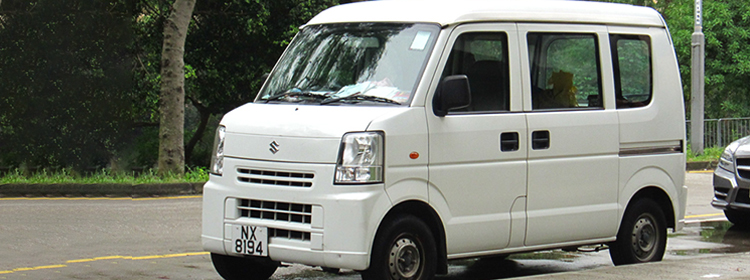
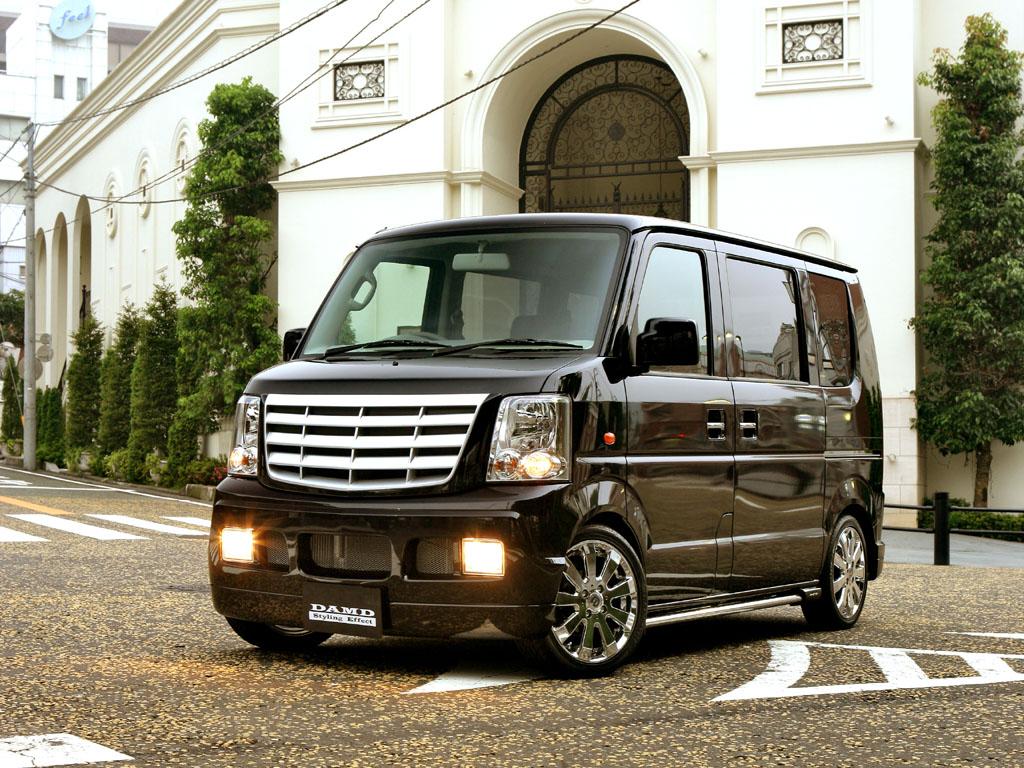
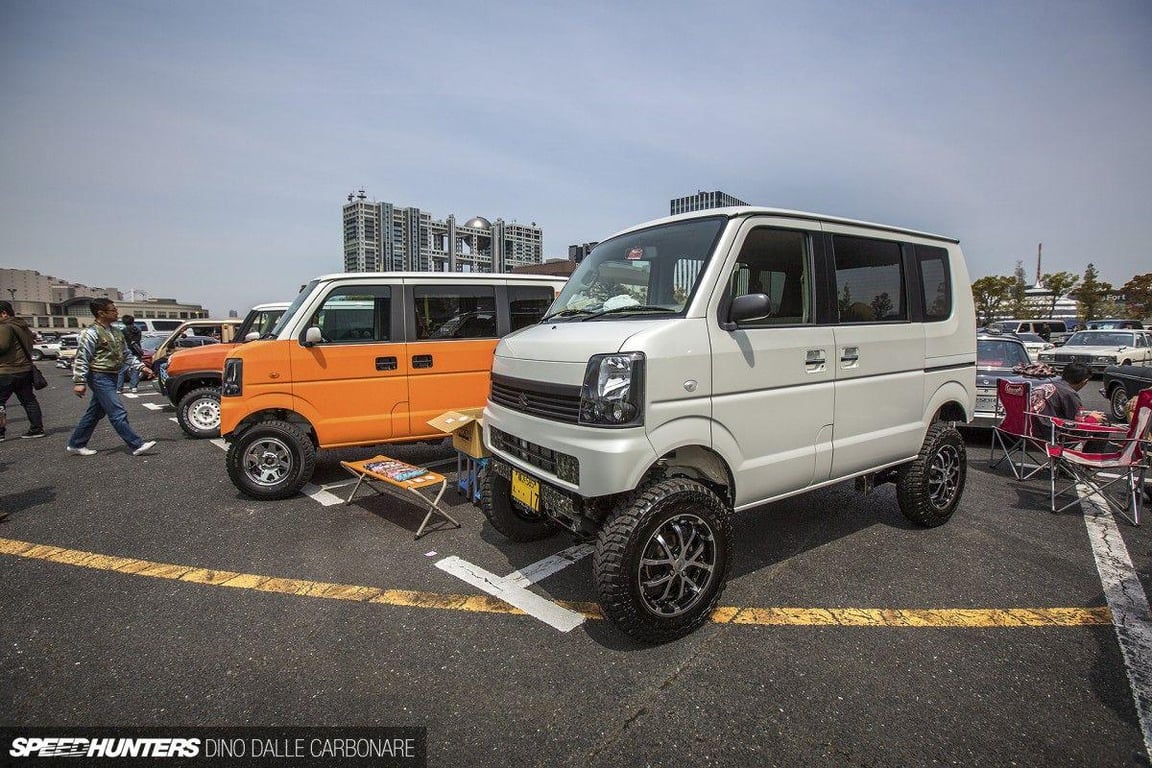
In Pictures
The Buyer's Read
Start by deciding what you actually want to do with the van. A delivery errand van around town is one chassis decision. An overlander or camper conversion is a different one.
For a daily shop vehicle, a clean DA64V Join from 2010 or later is a practical target. The K6A engine has mature electronics by that point, interior plastics are modern enough to live with, and parts route through any Suzuki kei specialist. Skip anything with rust visible under the rear or at the rocker panels — a cheap Every almost always reflects deferred bodywork.
For overlanding or camper builds, the target combination is a K6A turbo with part-time 4WD. That means the Joypop Turbo on the DA62, the Join Turbo on the DA64, or the Wagon PZ Turbo trims for passenger comfort. The K6A turbo's oil-feed line wants replacing on any car past 100,000 km, and the intercooler hoses split at the clamps from heat cycling — both are inexpensive repairs caught early and expensive once the turbo damages the catalyst.
The one Every to pass on is anything with body filler at the sills or a patched rear crossmember. The chassis is load-bearing on a cab-over kei van and there's no structural workaround. Cars from western Japan's milder prefectures hold up better than anything that wintered on salted Hokkaido roads.
Check your state's kei-van registration path before purchase — NHTSA's import exemption guidance covers the federal side, but Maine, Rhode Island, Michigan, Pennsylvania, Texas, and Georgia have all contested kei registration in recent years. A van you can't plate is one you can't use.
Frequently Asked Questions
- What is the Suzuki Every, and how is it different from Carry?
- Every is the passenger/cargo van; Carry is typically the truck. Many parts and engines overlap.
- Which years are best to buy for US import?
- Target the newest 25-year eligible year with clean history. Condition beats year; avoid heavy rust.
- How much should I pay for a good Suzuki Every?
- Most land $4k-$12k in the US. Clean 4WD, low-rust, and wagon/turbo trims push higher.
- Is 4WD worth it on an Every?
- Yes for snow/rural use. 4WD adds resale value and usability; inspect CV boots, hubs, and transfer operation.
- Can a Suzuki Every handle US highways?
- It can, but expect slow acceleration and wind sensitivity. Best for 45–65 mph routes; keep tires and brakes fresh.
- What are the biggest problem areas to inspect?
- Check rust (sills/rails), cooling system, oil leaks, sliding door rollers, and worn suspension bushings.
- Are parts and service difficult in the US?
- Routine service is easy. Many parts cross with Carry/kei catalogs; body/interior bits can take longer to source.
- Can I register and insure a Suzuki Every in my state?
- Usually yes if 25-year imported, but rules vary. Verify DMV classification and insurer acceptance before buying.
Sources & References
Sources (9)
- Suzuki Every — encyclopedic overview — Wikipedia Verified
- Suzuki Carry — encyclopedic overview (sibling platform) — Wikipedia Verified
- Suzuki Every — official JDM product page — Suzuki Motor Corporation Verified
- Suzuki Every Wagon — official JDM product page — Suzuki Motor Corporation Verified
- Suzuki Every — Japanese encyclopedic overview — Wikipedia (Japanese) Verified
- Kei truck and kei van regulatory overview — Wikipedia Verified
- Goo-net Exchange: Suzuki Every JDM listings — Goo-net Verified
- NHTSA 25-year import exemption guidance — NHTSA Verified
- EPA import exemptions for older vehicles — EPA Verified
Sources last verified: