Buyer's guide
15 min read
Nissan Terrano
Buyer's guide & specs
- Production
- 1986-2020
- US legal
- 2019
- 25-yr rule
- Market range
- $6K–$32K
- median ~$15K
- For sale
- 4
- active now
On this page
Quick answer
The Nissan Terrano is a rugged, value-forward 4x4 best known in JDM circles as the Terrano II (R20) and earlier WD21-based Terrano. Prices remain accessible versus Prado/Surf, with strongest demand for clean, low-rust diesels and factory 4WD trims.
Background
Overview
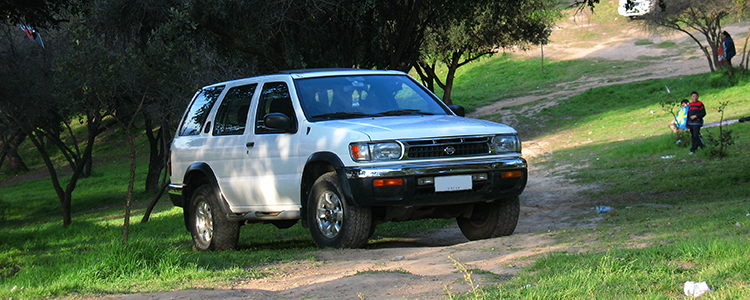
The Nissan Terrano ran from 1986 to 2006 across two body-on-frame generations — the WD21 (1986–1995) and the R50/R20 (1995–2006, sold as Terrano II in Europe and Mistral in Japan). JDM WD21 buyers got TD27 and TD27T diesel options the North American Pathfinder never received, plus the VG30i/VG30E 3.0L V6. The R50 added the stretched Regulus and Regulus X seven-seater grades — JDM-only luxury trims with no direct Pathfinder equivalent. Most import buyers today want a clean diesel R50 or a mechanically sound WD21; the D10 (2013–2020) is a Duster-derived crossover sold in India and Russia and a different vehicle entirely.
WD21 origins: the Pathfinder's JDM twin
Nissan launched the WD21 Terrano in Japan in August 1986, the same year the export-market Pathfinder debuted in North America. Both cars shared body-on-frame construction, torsion-bar front suspension, and a rear leaf-sprung live axle — but the engine menu diverged immediately. JDM Terrano buyers chose between the TD27 naturally-aspirated diesel, the TD27T turbodiesel, and the VG30i/VG30E 3.0L V6; the US Pathfinder of the same era was V6-only.
The JDM trim ladder was also distinct: Spirit, Urban, Grand, and Kingsroad positioned the WD21 around lifestyle tiers rather than capability levels. Wikipedia's WD21 article documents the R3m three-door and R5m five-door body styles alongside the wide-fender Wide grade. Three decades on, the same hardware basics — low range, part-time 4WD, manual hubs on most trims — keep early WD21s relevant to overland buyers who want a straightforward platform.
R50 Terrano II / Regulus: JDM's seven-seat 4×4
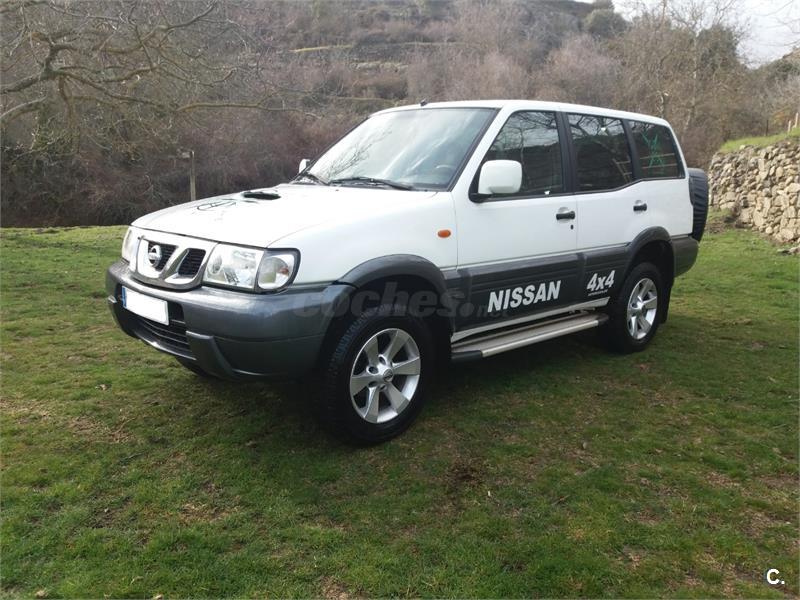
The R50 generation launched in Japan in 1995 — marketed as Terrano II in Europe and Mistral in Japan — and moved to unibody construction with coil rear springs while keeping selectable part-time 4WD with low range. Engine choices in JDM trim settled around the VG33E 3.3L V6 and the TD27ETi 2.7L turbodiesel with electronic injection. The JDM-only Regulus arrived as a stretched seven-seater with no direct Pathfinder equivalent — the trim the export market never got.
The European Terrano II ran two facelifts (1996 round headlights, 2002 interior refresh) and held production through 2006 — outlasting the US Pathfinder's body-on-frame era, which ended when the R51 moved to the F-Alpha platform for 2005. The RAC used review covers the Terrano II's European lifespan and common owner concerns in detail. That extended run over more markets is part of why diesel-spec R50 examples remain comparatively accessible today.
Editorial notes
Quick read
Key takeaways
- Best value 4x4 vs Prado/Surf; prices still accessible
- Rust + chassis rot are the #1 deal-breakers; inspect thoroughly
- Diesel 4WD trims command the strongest demand and resale
- R20 Terrano II is easiest to live with; WD21 is most classic
- Auto hubs/4WD systems vary; verify engagement and transfer case
- Parts support depends on market (JDM vs EU); plan sourcing
Constants
Common across all Terrano generations
- Mid-size body-on-frame SUV positioned below the Safari/Patrol
- Ladder-frame construction shared with contemporaneous pickup-truck platforms
- Selectable four-wheel drive with low-range transfer case
- V6 petrol and four-cylinder diesel engine options
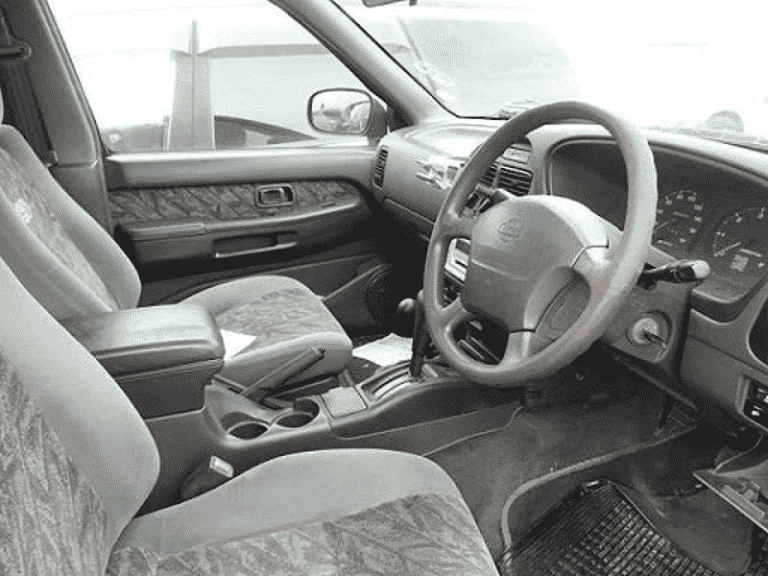
- Right-hand drive throughout all JDM production; sold as the Pathfinder in some export markets
Chassis history
Generation timeline
The Terrano had three generations from 1986 until 2020, and each one is a completely different car. The WD21 is the classic body-on-frame 4x4, sold as the Pathfinder in North America. The R50 Terrano II (Mistral in Japan) softened things with a unibody and added the stretched 7-seater Regulus. The D10 is a rebadged Dacia Duster and isn't the Terrano JDM buyers care about.
Second generation — R50 (1995–2002)
Buyer's call
Should you buy a Nissan Terrano?
What you give up on a Terrano is just as clear as what you get. It's cheaper than a Hilux Surf or a Prado for similar condition, and the older diesels are honest off-road tools. But rust, aging diesel hardware, and dated safety gear are the price of that value, and ignoring any one of them will turn a cheap Terrano into an expensive one.
Why you'll love it
- Strong value vs rivalsTypically cheaper than Prado/Surf; good capability per dollar when condition is right.
- Real 4x4 hardware (older gens)Body-on-frame, low range on many trims; legit off-road ability, not just styling.
- Diesel torque & economyTD27/other diesels deliver usable low-end torque and reasonable consumption for size.
- Simple, serviceable mechanicalsOlder gens are straightforward to maintain; fewer complex electronics than newer SUVs.
- Comfortable daily (R20)R20/Terrano II is more refined than WD21; better road manners and cabin usability.
- Under-the-radar collector appealLess hype than Surf/Prado; clean originals can be smart buys before broader attention.
Why you might not
- Rust is a major riskFrames, sills, rear arches, body mounts rot; repairs can exceed vehicle value quickly.
- Parts availability variesJDM-specific trims can be harder to source; plan for import parts and longer lead times.
- Aging diesel issuesInjectors, pumps, glow systems, cooling neglect; budget for catch-up maintenance.
- 4WD system wearHubs, actuators, transfer cases can be neglected; verify engagement under load.
- Safety/comfort are datedOlder gens lack modern crash tech; NVH and braking feel behind newer SUVs.
- Spec variance by marketTerrano vs Mistral vs Terrano II differ; confirm engine, drivetrain, and trim carefully.
Who should not buy this
- Anyone needing modern crash safety
- People who can't wrench or pay a specialist
- Rust-belt buyers without a lift/inspection
- Drivers expecting quiet highway manners
- Anyone needing strong fuel economy in town
- Owners who hate chasing small leaks
- People needing easy parts at local stores
- Those who won't service 4WD and diffs
- Anyone who can't tolerate diesel quirks (if diesel)
- Buyers needing reliable A/C in hot climates
- People who tow heavy without cooling upgrades
- Those who need roomy rear seats for adults
- Short-trip drivers (diesel soot and wear)
- States with strict emissions/import compliance
- Anyone expecting modern infotainment/electronics
- Off-roaders who won't budget for steering wear
- Buyers who won't address frame rust immediately
Reliability
Common issues & solutions
The Terrano is mechanically simple, and most of the trouble comes from age and neglect rather than design. The big three are frame and crossmember rust, diesel injector pump leaks on TD27 cars, and 4WD hub failures that leave you stuck in 2WD. None of these are deal breakers if you find them before you pay.
| Issue | Cause | Solution | Est. cost |
|---|---|---|---|
| Frame/crossmember rust | Salt exposure; trapped mud; poor undercoat | Probe/repair sections; avoid patched rot | $1500-6000 |
| Body mount rot | Moisture traps at mounts and outriggers | Cut/weld mounts; replace bushings | $800-3500 |
| Overheating leading to head damage | Old radiator, stuck thermostat, airlocks | Full cooling refresh; head gasket/head work | $600-3500 |
| Radiator tank seep/leak | Aged plastic tanks or corroded core | Replace radiator, cap, hoses; flush system | $350-900 |
| Fan clutch weak (runs hot) | Silicone fluid breakdown with age | Replace fan clutch; verify shroud intact | $250-600 |
| Heater core leak | Corrosion from old coolant; electrolysis | Replace heater core; flush; new hoses | $600-1400 |
| Diesel injector pump leak | Aged seals; low-sulfur fuel shrinkage | Reseal or rebuild pump; set timing | $800-2200 |
| Diesel hard hot start | Pump wear, timing drift, air leaks in lines | Check return lines; pump test/rebuild | $200-2200 |
| Turbo wear/oil consumption | High EGT, poor oil changes, clogged feed | Rebuild/replace turbo; clean oil feed/return | $700-2200 |
| Diesel timing belt failure risk | Unknown belt age; tensioner/idler wear | Do belt kit + water pump immediately | $500-1200 |
| Glow plug/relay faults | Aged plugs; relay contacts burned | Replace plugs; test relay and busbar | $150-450 |
| Excessive diesel blow-by | Worn rings/cylinders from dusting/age | Compression test; rebuild or engine swap | $2500-7000 |
| Gas timing chain rattle | Worn guides/tensioner; dirty oil | Replace chain set; inspect oil pump | $900-2200 |
| Oil leaks (rear main/front seal) | Aged seals; crankcase pressure; worn surfaces | Replace seals; address PCV/breather system | $300-1400 |
| Manual 2nd gear grind | Synchro wear from hard shifting/old oil | Fluid change may help; rebuild if persistent | $120-2200 |
| Auto trans flare/slip | Worn clutches; overheated ATF; clogged cooler | Service + cooler; rebuild if slipping | $250-3500 |
| Transfer case noise/jump | Worn chain/gears; low oil; abuse in 4WD | Reseal/service; rebuild or replace unit | $400-2500 |
| 4WD hubs not engaging | Auto hub wear; vacuum issues (if equipped) | Rebuild/replace hubs; convert to manual hubs | $250-900 |
| Driveshaft clunk/vibration | Worn U-joints; dry slip yoke; bad angles | Replace U-joints; grease; check pinion angle | $200-800 |
| Front CV boot tears | Age, lift kits, heat near exhaust | Replace boots/axle; correct lift geometry | $200-700 |
| Steering wander/play | Idler arm wear; steering box lash; tie rods | Replace idler/pitman; adjust/rebuild box | $300-1500 |
| Ball joint failure risk | Boot tears; lack of grease; off-road impacts | Replace joints; inspect control arms | $300-900 |
| Torsion bar sag/uneven height | Aged bars; cranked torsions; worn keys | Reindex/replace bars; align after | $250-900 |
| Rear trailing arm bush wear | Age and load; oil contamination | Replace bushes; check panhard rod bushes | $300-900 |
| Brake hard line corrosion | Salt; trapped dirt at frame clips | Replace lines; flush fluid; inspect flex hoses | $400-1500 |
| Caliper slide seizure | Dry pins; torn boots; rust | Service slides; rebuild/replace calipers | $200-700 |
| Wheel bearing wear/hum | Water intrusion; old grease; heavy tires | Replace/pack bearings; new seals | $250-800 |
| Electrical ground gremlins | Corroded grounds; battery acid; old connectors | Clean/replace grounds; voltage drop testing | $100-600 |
| Window regulator failure | Worn cables/gears; dry tracks | Replace regulator; lube channels | $150-450 |
| Water leaks into cabin | Sunroof drains, cowl rust, door seals | Clear drains; reseal; repair rust properly | $100-2000 |
| A/C weak or inop | Leaks at hoses; tired compressor; old O-rings | Leak test; replace parts; evacuate/recharge | $250-1500 |
| Fuel filler neck rust | Road salt; trapped debris at neck shield | Replace neck/hoses; inspect tank straps | $250-800 |
| Exhaust manifold cracks | Heat cycling; loose studs; turbo heat (diesel) | Replace manifold; new studs/gaskets; check EGT | $400-1400 |
Market
Differences between JDM & USDM
The Terrano was sold in North America as the Nissan Pathfinder (WD21 era) and the relationship continued into the R50 generation. Hardware crossover is direct on engines and drivetrains, but trim hierarchy and engine availability diverge sharply. JDM WD21 buyers chose between TD27/TD27T diesels and VG30i/VG30E V6 grades; the US Pathfinder of the same era was V6-only. The R50 generation introduced the JDM-only Terrano Regulus and Regulus X — a stretched seven-seater premium trim with no direct US equivalent. The European Terrano II (sold 1993-2006) and the JDM Mistral are the same vehicle marketed under different names; both used the TD27ETi turbodiesel and VG33E 3.3L V6 not offered in the contemporary US Pathfinder. Auction-sheet identification matters: a 'Mistral' grade card and a 'Terrano' grade card from the same year refer to the same chassis with different badging.
Specs
Technical specifications
The JDM Terrano runs either a V6 gas engine or a diesel four. The WD21 used the TD27 and TD27T diesel and the VG30E V6. The R50 swapped in the TD27ETi turbodiesel with electronic injection and the VG33E 3.3 V6. Most JDM Terranos came with a 5-speed manual or a 4-speed automatic, and the manual is the one off-road builders want.
Engine options
| Chassis | Engine | Displacement | Power | Boost | Notes |
|---|---|---|---|---|---|
| WD21 | Z24i | 2.4L | 106hp @ 4800rpm (estimated) | N/A | SOHC I4, EFI; figures vary by market |
| WD21 | VG30i | 3.0L | 145hp @ 4800rpm (estimated) | N/A | TBI V6; market-dependent calibration |
| WD21 | VG30E | 3.0L | 153hp @ 4800rpm (estimated) | N/A | SOHC V6 MPFI; market-dependent |
| WD21 | TD27 | 2.7L | 85hp @ 4300rpm (estimated) | N/A | OHV diesel; NA; market-dependent |
| WD21 | TD27T | 2.7L | 100hp @ 4000rpm (estimated) | 7.0 psi (estimated) | Turbo diesel; mechanical injection |
| R50 | VG33E | 3.3L | 170hp @ 4800rpm (estimated) | N/A | SOHC V6 MPFI; JDM tune varies |
| R50 | TD27ETi | 2.7L | 130hp @ 3600rpm (estimated) | 10.0 psi (estimated) | Turbo diesel; electronic injection |
| D10 | K9K 1.5 dCi (85PS) | 1.5L | 84hp @ 3750rpm (estimated) | Turbo (boost varies) | Common-rail diesel; market-dependent |
| D10 | K9K 1.5 dCi (110PS) | 1.5L | 108hp @ 3900rpm (estimated) | Turbo (boost varies) | Common-rail diesel; 6MT in many markets |
| D10 | H4K 1.6 | 1.6L | 102hp @ 5850rpm (estimated) | N/A | NA petrol; market-dependent output |
Transmission options
| Type | Ratios | Availability | Notes |
|---|---|---|---|
| 5-speed Manual | 3.592/2.057/1.361/1.000/0.821 (estimated) | WD21 Z24i/TD27/TD27T (market) | FS5W71-series; ratios vary by model |
| 5-speed Manual | 3.321/1.902/1.308/1.000/0.759 (estimated) | WD21 VG30E/VG30i (market) | FS5R30A-type; ratios vary by year |
| 4-speed Automatic | 2.785/1.545/1.000/0.694 (estimated) | WD21 VG30E/VG30i (market) | RE4R01A-type; lock-up (market) |
| 5-speed Manual | 3.321/1.902/1.308/1.000/0.759 (estimated) | R50 VG33E (market) | FS5R30A-type; not all markets |
| 4-speed Automatic | 2.785/1.545/1.000/0.694 (estimated) | R50 VG33E/TD27ETi (market) | RE4R01A-type; lock-up (market) |
| 5-speed Manual | 3.727/2.048/1.393/1.029/0.820 (estimated) | D10 1.6 petrol, 1.5 dCi (some) | Renault/Nissan JH3/JH1 family (market) |
| 6-speed Manual | 3.727/2.048/1.393/1.029/0.820/0.659 (estimated) | D10 1.5 dCi 110PS (market) | Renault/Nissan TL4 family (market) |
| 4-speed Automatic | 2.842/1.529/1.000/0.708 (estimated) | D10 (select markets) | Market-specific; not offered in all regions |
Lineup
Variants & trims
JDM Terrano trim ran Spirit, Urban, Grand, and Kingsroad on the WD21, plus the wide-fender Wide grade. The R50 added the stretched 7-seater Regulus and the Regulus X and RS-R on top of that. The differences are mostly trim and seating, not chassis or engine. The Regulus is the Terrano you can't get as a US Pathfinder, so it's the one with the strongest JDM-import case.
| Generation | Trim | Engine | Key features |
|---|---|---|---|
| WD21 (Terrano I, JDM/Global) | Terrano R3m (3-door) | TD27T, VG30E, VG30i, Z24i | 3-door, part-time 4WD, torsion IFS, rear leaf |
| WD21 (Terrano I, JDM/Global) | Terrano R5m (5-door) | TD27T, VG30E, VG30i, Z24i | 5-door, part-time 4WD, torsion IFS, rear leaf |
| WD21 (Terrano I, JDM/Global) | Terrano Wide (5-door widebody) | VG30E, TD27T | wide fenders, wider track, higher spec interior |
| WD21 (Terrano I, JDM/Global) | Terrano Spirit (JDM) | TD27T, VG30E | uprated trim, alloy wheels, upgraded audio |
| WD21 (Terrano I, JDM/Global) | Terrano Urban (JDM) | TD27T, VG30E | city-oriented trim, body-color trim, comfort focus |
| WD21 (Terrano I, JDM/Global) | Terrano Grand (JDM) | VG30E, TD27T | top trim, power accessories, upgraded upholstery |
| WD21 (Terrano I, JDM/Global) | Terrano Kingsroad (JDM) | VG30E, TD27T | premium trim, alloy wheels, higher equipment |
| WD21 (Terrano I, JDM/Global) | Terrano R3m/R5m (commercial/van spec) | TD27, Z24i | vinyl floors, basic trim, fleet-oriented equipment |
| R50 (Terrano II, JDM) | Terrano (base) | VG33E, TD27ETi | unibody, coil rear, part-time 4WD, ABS (opt) |
| R50 (Terrano II, JDM) | Terrano R3m (3-door) | VG33E, TD27ETi | 3-door, unibody, coil rear, part-time 4WD |
| R50 (Terrano II, JDM) | Terrano R5m (5-door) | VG33E, TD27ETi | 5-door, unibody, coil rear, part-time 4WD |
| R50 (Terrano II, JDM) | Terrano Wide (widebody) | VG33E, TD27ETi | widebody, higher spec, alloy wheels, aero trim |
| R50 (Terrano II, JDM) | Terrano Starfire (JDM) | VG33E, TD27ETi | special edition, unique trim, upgraded interior |
| R50 (Terrano II, JDM) | Terrano Regulus (JDM) | VG33E, TD27ETi | luxury grade, leather (opt), premium audio |
| R50 (Terrano II, JDM) | Terrano Regulus S (JDM) | VG33E, TD27ETi | sport-lux grade, alloys, body-color cladding |
| R50 (Terrano II, JDM) | Terrano Regulus X (JDM) | VG33E, TD27ETi | high grade, ABS, airbags, premium interior |
| R50 (Terrano II, JDM) | Terrano Regulus RS-R (JDM) | VG33E | aero, sport suspension, unique wheels, body kit |
| R50 (Terrano II, JDM) | Terrano Axis (JDM dealer-tuned) | VG33E, TD27ETi | Axis aero, special wheels, interior accents |
| R50 (Terrano II, JDM) | Terrano (commercial/fleet) | TD27ETi | basic trim, durable interior, fleet equipment |
| D10 (Terrano III, India/Russia/others) | Terrano XE | K9K 1.5 dCi | FWD, basic trim, steel wheels, manual A/C |
| D10 (Terrano III, India/Russia/others) | Terrano XL | K9K 1.5 dCi, H4K 1.6 | FWD, upgraded trim, audio, power accessories |
| D10 (Terrano III, India/Russia/others) | Terrano XV | K9K 1.5 dCi, H4K 1.6 | higher trim, alloys, touchscreen (market), airbags |
| D10 (Terrano III, India/Russia/others) | Terrano XV Premium | K9K 1.5 dCi, H4K 1.6 | top trim, leather (market), nav (market), camera |
| D10 (Terrano III, India/Russia/others) | Terrano 110 PS (diesel tune) | K9K 1.5 dCi (110PS) | higher output diesel, 6MT, improved drivability |
| D10 (Terrano III, India/Russia/others) | Terrano AWD (select markets) | K9K 1.5 dCi | AWD, ESP (market), hill assist (market) |
Pricing
Average prices & original MSRP
Most driver-quality Terranos trade between $8,000 and $15,000 today, and a clean diesel 4WD with documented service can push past $20,000. The Terrano is still cheaper than a comparable Hilux Surf or Prado, which is the whole reason buyers end up here. The numbers below are what one costs today, not what it was when new.
Today's market range: $6,000 to $32,000 (median ~$14,500). Source: JDMBUYSELL / USS Auction.
Terrano values are steady-to-firm for clean diesel 4WD examples, while rough trucks stay cheap. Buyers are trading down from Prado/Surf, lifting the best-condition comps. Expect gradual appreciation for rust-free originals; modified or rusty units lag.
Inspect
Pre-purchase inspection checklist
Walk this list with the seller, not in front of them. The Critical items are walking-away conditions if there's no paperwork to back them up, especially anything frame related. The High items can usually be priced into the deal. A 30 minute drive in 2WD and a short stint in 4H will surface most of what you need to know.
Critical priority
High priority
Medium priority
Low priority
Cross-shop
Comparable alternatives
If the Terrano isn't the right Terrano, the natural alternatives are the Hilux Surf for more aftermarket support and brand demand, the Mitsubishi Pajero V20 for a proven 4x4 with broader parts, or the Suzuki Jimny if you want something smaller and lighter. The Prado J90 is the same family-friendly idea but typically costs more.
Isuzu Bighorn UBS69
Diesel 4x4 value pick; robust drivetrains
Compare
How it compares
Among the JDM compact 4x4s of the era, the Terrano is the value pick, the Hilux Surf has the demand and the aftermarket, and the Pajero has the off-road pedigree. The table below leans on price and value because that's where the Terrano actually wins. If you don't care about budget, you'd probably already be shopping a Surf or a Prado.
| Feature | Nissan Terrano | Toyota Hilux Surf N130 | Mitsubishi Pajero V20 |
|---|---|---|---|
| Chassis type | Body-on-frame (WD21/R20) | Body-on-frame | Body-on-frame |
| 4WD system | Part-time 4WD; low range | Part-time; low range | SS4/part-time; low range |
| Diesel options | 2.7L diesel common (TD27) | 2.4/3.0 diesels by market | 2.5/2.8 diesels by market |
| Gas options | V6/4cyl varies by market | 2.7/3.0 gas by market | 3.0 V6 common |
| On-road comfort | R20: good; WD21: basic | More refined | Similar; slightly firmer |
| Off-road capability | Strong; depends on trim/tires | Strong; good aftermarket | Very strong; proven platform |
| Aftermarket support | Moderate; region-dependent | Very strong | Strong |
| Rust resistance | Average to poor (age-driven) | Average; coastal cars suffer | Average; watch rear floors |
| Interior packaging | R20 5-door is practical | Very practical | Good; 7-seat options exist |
| Typical price (US import) | $8k-$22k (condition-driven) | $14k-$35k | $10k-$28k |
| Collector upside | Moderate; underpriced niche | High; strong demand | Moderate; steady following |
Gallery
In pictures
Editorial
The buyer's read
The most defensible starting point is a documented R50 Terrano II or Mistral with the TD27ETi diesel and 4WD. Unibody construction, coil rear suspension, and a diesel with active European parts support through Terrano II specialists makes these the lowest-risk entry. Avoid anything under $7,000 unless you have it on a lift and can probe the frame yourself — deferred rust work on a cheap Terrano costs more to fix correctly than a clean example would have cost to begin with.
For the classic body-on-frame experience with JDM 4×4 hardware the North American Pathfinder never received, a WD21 with the TD27T diesel and manual hubs is the pick. Budget two to four thousand above purchase price for the first year: auto-hubs typically need converting to manual, the injector pump usually needs resealing, and the cooling system — radiator, hoses, fan clutch — warrants a full refresh before summer use. A WD21 that's been properly sorted is a reliable off-road platform; one that hasn't been will expose every deferred item at once.
The Regulus is the R50 grade with the clearest JDM-import case — the stretched 7-seater trim that was never sold as a Pathfinder in North America. Regulus-specific parts (longer-wheelbase glass, JDM-only trim cues) are import-sourced only, and lead times can stretch. A regular 5-door R50 in solid condition covers the same mechanical ground for less, and replacement parts are easier to locate.
The D10 is a rebadged Dacia Duster sold in India and Russia from 2013 to 2020 and shares nothing mechanically with the WD21 or the R50. It is not what JDM Terrano buyers are searching for, and the parts ecosystem is entirely separate.
FAQ
Frequently asked questions
- Which Terrano generation is best to buy today?
- For most buyers, R20/Terrano II balances comfort and simplicity. WD21 is more classic but needs more rust vigilance.
- What are the biggest problems to check before buying?
- Prioritize rust, 4WD engagement, cooling health, and diesel fuel system condition. A clean chassis matters more than mileage.
- Are diesel Terranos reliable?
- Yes when maintained: watch injectors/pump, glow plugs, and overheating history. Neglect is common on cheap imports.
- How do Terrano prices compare to Hilux Surf or Prado?
- Terrano is usually cheaper for similar condition. Surf/Prado command premiums due to brand demand and stronger aftermarket.
- Is the Terrano US-legal to import?
- Under the 25-year rule, specific model years become eligible as they age. Confirm exact build month/year on the chassis plate.
- What mileage is too high for a Terrano diesel?
- Mileage matters less than service history. A well-kept 200k+ mile diesel can outlast a neglected 100k example.
- What should I budget after purchase?
- Plan for fluids, belts, hoses, brakes, tires, and diesel service. Add rust remediation funds if any corrosion is present.
- Are parts easy to find?
- Wear items are generally manageable, but trim/market-specific parts can be tough. Expect import sourcing for JDM-only pieces.
Citations
Sources & references
Sources (7)
- Nissan Terrano II — encyclopedic overview — WikipediaVerified
- Nissan Terrano — encyclopedic overview — WikipediaVerified
- Nissan Pathfinder — encyclopedic overview (Terrano export sibling) — WikipediaVerified
- Nissan Terrano — Japanese encyclopedic overview — Wikipedia (Japanese)Verified
- Nissan Terrano II 1993-2006 used review — RACVerified
- Nissan Terrano II 4x4 used review advice — What Car?Verified
- Nissan Terrano common problems — BreakeryardVerified
Sources last verified: