Driven
Driven: Mitsubishi Lancer Evolution IV-VI Review
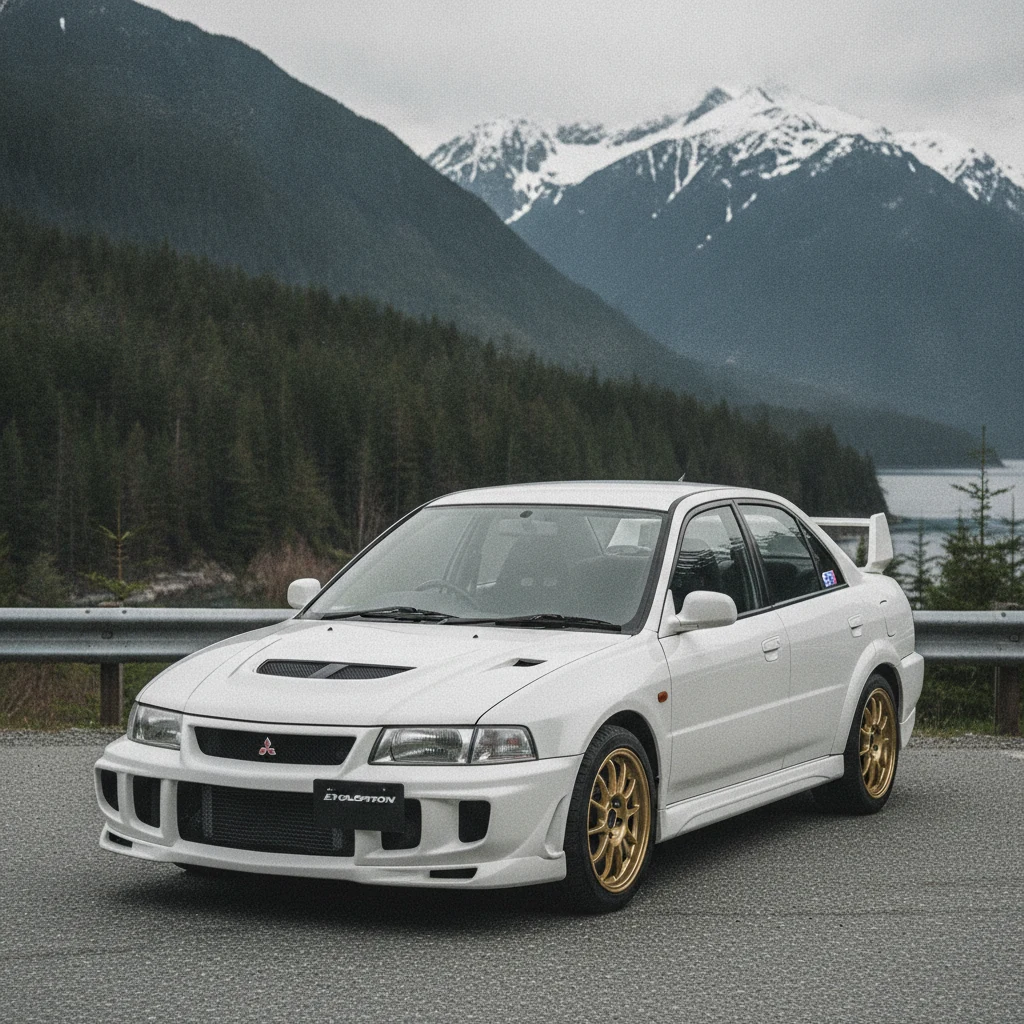
There is no substitute for seat time. Lined up together, the Mitsubishi Lancer Evolution IV, V, and VI look like minor iterations of the same idea - box-fender sedans with braced chassis and a vocal 4G63T. On the road, each one has a distinct personality. We spent a day swapping between clean, lightly modified examples to understand where they shine and what to look out for when you’re shopping.
If you’re new to the lineage, our Mitsubishi Lancer Evolution buying guide is the place to start. For live listings filtered to the Evo line, see Mitsubishi Lancer Evolution cars for sale.
The Setup
All three test cars ran on fresh summer tires, mild lowering springs, and stock turbos. The goal wasn’t lap times - it was to capture what each generation feels like on a fast back road. The route mixed smooth sweepers, broken pavement, and a short gravel detour to remind us why the Evo exists.
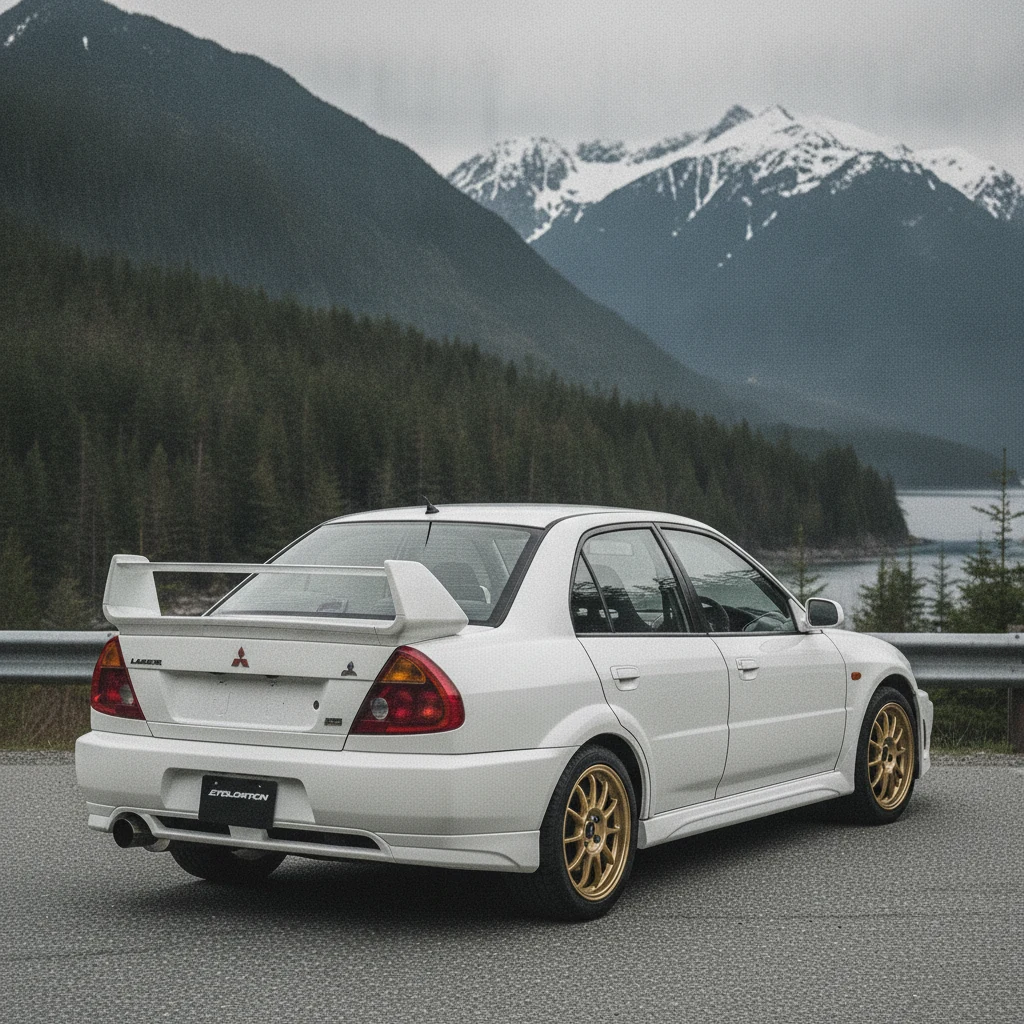
Evo IV (CN9A): The Pivot Point
The Evo IV marks a major architecture shift: a new platform with the engine rotated 180 degrees and a revised driveline. On the road it feels the most eager to rotate mid-corner. The steering is lighter just off-center, and the rear follows with a little more willingness than the later cars. It rewards a tidy trail brake and a quick throttle pick-up.
Drivetrain-wise, the 4G63T spools early, makes real shove from the midrange, and signs off a bit sooner than the later cars. Stock brake feel is excellent, though we noticed a little heat fade after repeated stops on a downhill section - nothing a pad change won’t fix.
Evo V (CP9A): The Sweet Spot
The Evo V brings wider tracks, bigger brakes, and aero tweaks. It feels like the most complete street package of the three - better front bite than the IV but still playful at the limit. The extra front-end authority lets you place the car on corner entry without working the wheel, and the car settles on throttle with confidence.
Noise and vibration are modestly reduced versus the IV. You still get the signature 4G63T thrum and wastegate chatter, just with a bit more polish in the cabin. If you want one Evo to daily and also enjoy on your favorite road, this is it.
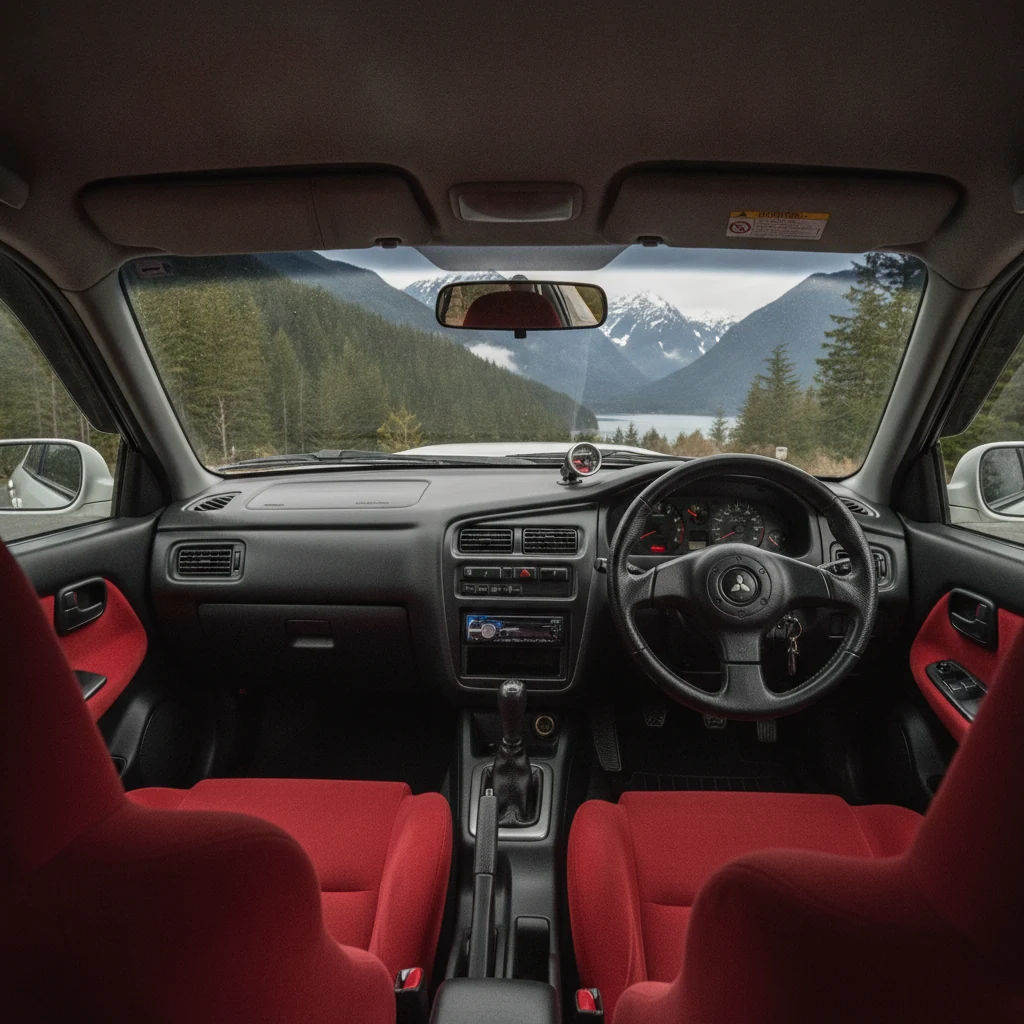
Evo VI (CP9A): The Hammer
The VI feels the stoutest. Chassis stiffness is up again, and the suspension calibration deals with broken pavement better than the earlier cars. Turn-in is a hair slower than the V on our tires, but mid-corner grip is immense and traction out of tight bends is almost comical. It covers ground with ruthless efficiency.
The later cooling and durability updates are real benefits if you plan to push the car. Still, the VI’s extra composure can read as a touch more serious - a great thing on a back road, a bit less playful at low speeds.
What To Check Before You Buy
- Service history on timing belt, water pump, and balance shaft deletes where applicable.
- Turbo condition and shaft play; smoke on overrun is a red flag.
- AYC/ACD pump health on later cars; repairs are doable but not free.
- Rust at rear arches, sills, and front subframe pickup points depending on market history.
- Accident repair quality. As with any import, inspect before money changes hands and review Japanese auction sheets.
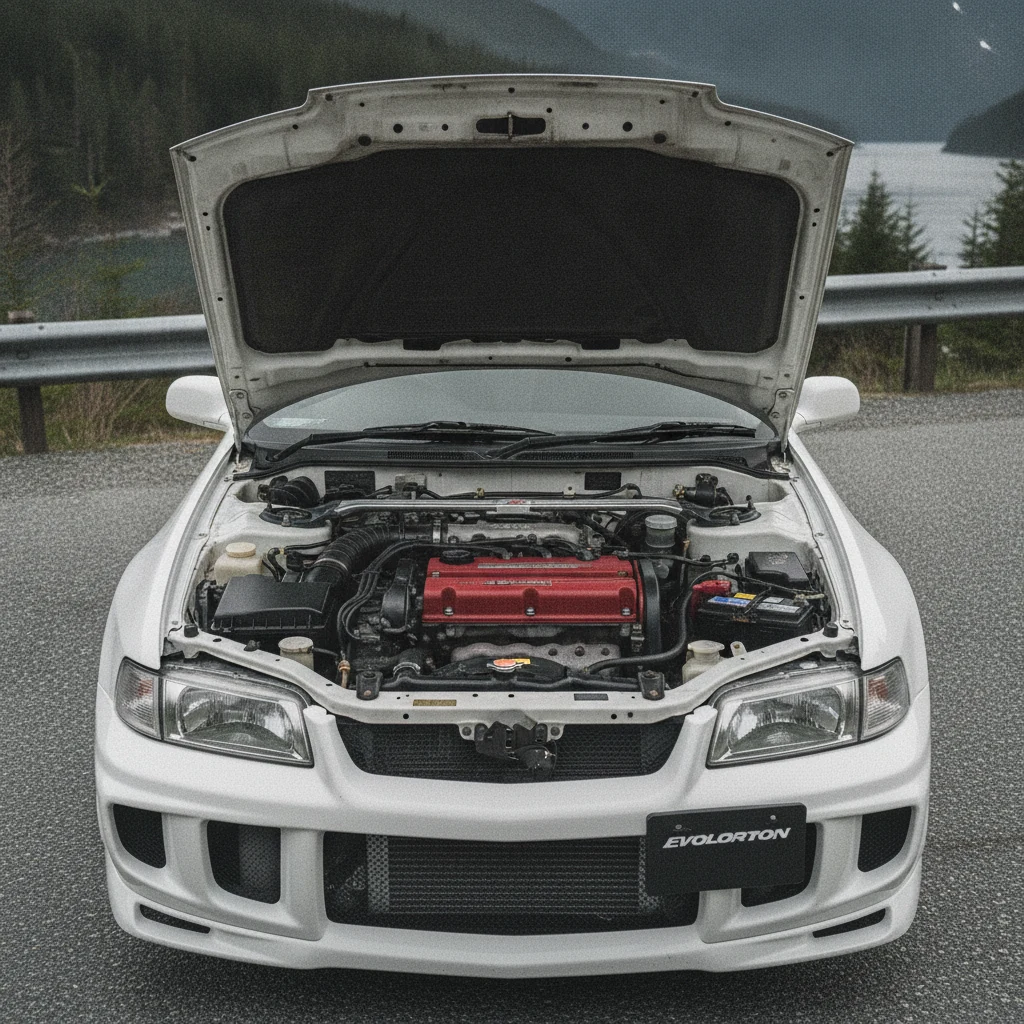
If you plan to import from Japan, understand the logistics and paperwork first. Our overview of importing from Japan and the JDM car buyer’s guide cover timelines, fees, and verification steps.
On Gravel
We took a short, legal gravel road to sample compliance and traction. All three cars put power down cleanly with measured throttle, but the VI felt the most settled over washboard and mid-corner ruts. The IV moved around the most - entertaining, if you like it - while the V split the difference and felt quickest to recover.

Video: Sounds And Pace
Sometimes you just need to hear the car. Here’s a representative Evo IV-VI clip that matches what we experienced (stockish cars on a flowing road):
https://www.youtube.com/watch?v=ERBCT1wgoSk
Related JDM guides
Use these companion guides to compare nearby choices and buying risks:
- Top 10 Best All-Wheel Drive JDM Cars
- Best JDM Cars Under $20,000: 20 Performance Picks
- RB Engines vs. JZ Engines: A Detailed Comparison of Legendary JDM Engines
FAQ
Are Evo IV, V, and VI legal to import to the United States?
Yes. All three generations are over 25 years old depending on build month, which satisfies the U.S. 25-year import rule. Canada uses a 15-year rule, so these cars have been legal there even longer. Always verify the exact month/year on the build plate.
Which Evo is best for daily driving?
The Evo V is the most balanced street car in our view - strong brakes, good ride control, and a playful chassis. The IV feels the lightest on its feet, the VI the most planted.
What simple upgrades make the biggest difference?
Quality summer tires, fresh bushings, high-temp brake pads and fluid, and a conservative tune if you’re changing intake or exhaust. Keep reliability in mind; the 4G63T has headroom, but the oldest cars are now three decades old.
Where can I find cars for sale?
Start with the Mitsubishi Lancer Evolution listings and set email alerts. Read photos closely, request underbody shots, and ask for documentation.
The Verdict
You can’t go wrong with any of these. The Evo IV is the most playful, the V the best all-rounder, and the VI the most capable. Choose based on the kind of roads you love and your tolerance for rawness. If it’s your first Evo, the V is the easiest recommendation.
FAQ
FAQ