Chassis Code Explained
| Segment | Meaning | Detail |
|---|---|---|
| L | Body type | — |
| 0 | Platform prefix | — |
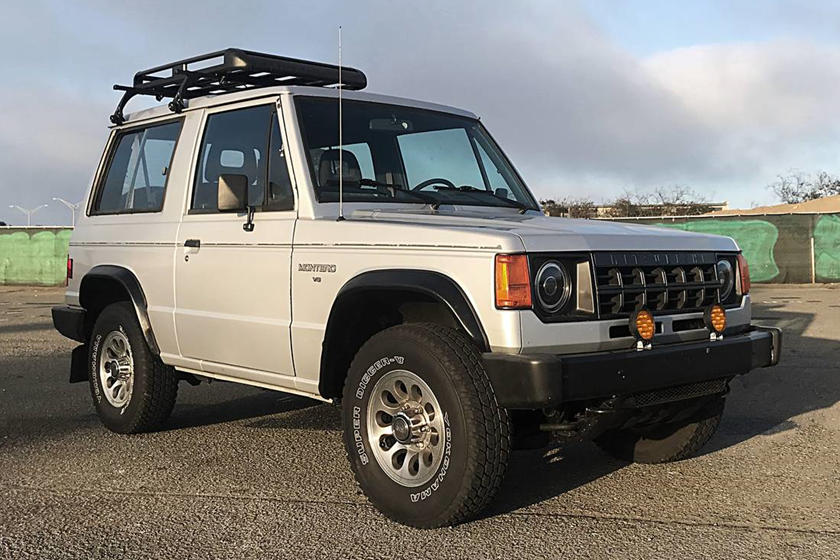
| 40 | Generation code | 40-series first-generation Pajero (1982–1991) |
The L040 series covers the first-generation body-on-frame Pajero in short- and long-wheelbase forms; engines included the 4G54 petrol and 4D55/4D56 diesel. Part-time 4WD; market specifications vary widely.
Editorial notes
Key Takeaways
- Gen 2/2.5 is the collector sweet spot
- Pajero Evolution is the top-value halo model
- SWB 3-door commands a consistent premium
- Rust + cooling are the biggest inspection items
- Gen 3/4 are best value for daily + overland
- Diesel legality varies; verify import compliance
Technical Specifications
Engine Options
| Chassis | Engine | Displacement | Power — JDM | Notes |
|---|---|---|---|---|
| L040 | 4G54 | 2.6L | estimated | Carb/EFI varied by market |
| L040 | 4G63 | 2.0L | estimated | Early NA petrol; market dependent |
| L040 | 4D55 | 2.3L | estimated | Indirect injection diesel |
| L040 | 4D55T | 2.3L | estimated | Turbo diesel; early applications |
| L040 | 4D56 | 2.5L | estimated | Indirect injection diesel |
| L040 | 4D56T | 2.5L | estimated | Turbo diesel; intercooler varies |
| L040 | 6G72 | 3.0L | estimated | SOHC V6; output varies by market |
Transmission Options
| Type | Ratios | Availability | Notes |
|---|---|---|---|
| 5-speed Manual | estimated | Gen1-Gen2 (varies) | Early RWD/4WD applications |
| 4-speed Automatic | estimated | Gen1-Gen2 (varies) | Hydraulic 4AT; market dependent |
| 5-speed Manual | estimated | Gen3 (varies) | Diesel/petrol depending on market |
| 5-speed Automatic | estimated | Gen3-Gen4 (varies) | INVECS-II 5AT on many models |
Variants & Trims
| Generation | Trim | Engine | Key Features |
|---|---|---|---|
| Gen1 (L040; SWB/LWB) | Pajero 2.6 GL (Metal Top) | 4G54 2.6 I4 NA | Part-time 4WD, 2/3dr metal top, basic trim |
| Gen1 (L040; SWB/LWB) | Pajero 2.6 GLX (Metal Top) | 4G54 2.6 I4 NA | Part-time 4WD, upgraded interior, tachometer |
| Gen1 (L040; SWB/LWB) | Pajero 2.6 Exceed (Metal Top) | 4G54 2.6 I4 NA | Higher trim, power windows, premium cloth |
| Gen1 (L040; SWB/LWB) | Pajero 2.0 GL (Metal Top) | 4G63 2.0 I4 NA | Part-time 4WD, entry spec, light-duty |
| Gen1 (L040; SWB/LWB) | Pajero 2.3D GL (Metal Top) | 4D55 2.3 I4 Diesel NA | Part-time 4WD, diesel economy, basic trim |
| Gen1 (L040; SWB/LWB) | Pajero 2.3TD GLX (Metal Top) | 4D55T 2.3 I4 Turbo Diesel | Turbo diesel, part-time 4WD, upgraded trim |
| Gen1 (L040; SWB/LWB) | Pajero 2.5D GL (Metal Top) | 4D56 2.5 I4 Diesel NA | Part-time 4WD, diesel, improved torque |
| Gen1 (L040; SWB/LWB) | Pajero 2.5TD GLX (Metal Top) | 4D56T 2.5 I4 Turbo Diesel | Turbo diesel, part-time 4WD, higher output |
| Gen1 (L040; SWB/LWB) | Pajero 3.0 V6 Exceed | 6G72 3.0 V6 NA | V6, higher trim, A/C, power accessories |
| Gen1 (L040; SWB/LWB) | Pajero 4x4 Rally/Paris-Dakar Rep. | 4D56T/6G72 (market dependent) | Rally-inspired, skid plates, auxiliary lamps |
Should You Buy a Mitsubishi Pajero L040?
Why You'll Love It
- Super Select 4WD versatility Many trims offer full-time 4WD modes plus low range; great in mixed weather.
- Rally-bred durability Dakar heritage shows in cooling, driveline strength, and long-distance reliability.
- Strong off-road geometry Short overhangs (esp. SWB) and robust underbody make trails and sand easy.
- Comfortable daily usability Gen 2+ rides well for a 4x4; Gen 3/4 are genuinely road-friendly.
- Good global parts ecosystem Shared components across markets; aftermarket supports lifts, armor, and service parts.
- Value vs Land Cruiser tax Often 20–40% cheaper than comparable Toyota 80/100/Prado in similar condition.
- SWB and rare trims upside 3-door, widebody, and Evo variants have stronger collector demand and liquidity.
Why You Might Not
- Rust is the #1 value killer Rear arches, sills, body mounts, and frames rot; repairs quickly exceed savings.
- Cooling system neglect risk Old radiators, hoses, and viscous fans can cause overheating; check service history.
- Diesel import complexity Registration/emissions rules vary by state; verify paperwork and compliance before buying.
- Fuel economy is mediocre V6 models are thirsty; lifted/armored builds worsen range and operating costs.
- Aging electronics/trim Window regs, climate controls, and interior plastics can be brittle on older gens.
- Evo parts scarcity Pajero Evolution-specific body and suspension parts are expensive and hard to source.
- Auto trans wear on heavy use Towing/off-road heat can shorten life; look for smooth shifts and clean fluid.
Who Should NOT Buy This
- Anyone needing modern crash safety and ADAS
- People who can't wrench or pay specialist labor
- Buyers without proof of timing belt service
- Anyone who ignores cooling system maintenance
- Rust-belt buyers without lift/inspection access
- Drivers wanting quiet, car-like ride and handling
- People expecting 25+ mpg or cheap fuel costs
- Those needing easy parts availability everywhere
- Owners who tow heavy without adding trans cooler
- Anyone who can't tolerate occasional 4WD quirks
- Apartment dwellers with no place for DIY repairs
- States with strict emissions/inspection hurdles
- Buyers who need a small parking footprint
- People who hate slow diesel warm-up in winter
- Anyone expecting low running costs like a Corolla
- Those who need a truly adult-usable third row
Common Issues & Solutions
| Issue | Cause | Solution | Est. Cost |
|---|---|---|---|
| Timing belt overdue | Skipped interval; unknown history imports | Full belt kit, tensioners, water pump | $900-1800 |
| Balance shaft belt failure | Old belt snaps; can take timing belt with it | Replace both belts; inspect pulleys/tensioners | $900-1800 |
| Diesel head cracks/warpage | Overheating, poor coolant, clogged radiator | Pressure test; head job/replace; fix cooling | $2500-6000 |
| Cooling system weak | Aged radiator, hoses, cap, fan clutch | Radiator/hoses/cap/thermostat; flush properly | $600-1600 |
| Injector pump seal leaks | Aging seals; ULSD shrinkage on older pumps | Reseal pump; set timing; replace return lines | $700-1800 |
| Worn injectors (diesel) | High miles; poor fuel filtration/quality | Test/replace nozzles; set pop pressure | $500-1500 |
| Turbo wear/oil leaks | High EGT, poor oil changes, clogged breather | Rebuild/replace turbo; clean intake/intercooler | $900-2500 |
| EGR/intake carbon clog | EGR soot + oil mist builds thick deposits | Intake/EGR clean; check boost leaks | $300-900 |
| Auto trans overheating/wear | Towing, old ATF, clogged cooler, high temps | Fluid/filter service; add cooler; rebuild if bad | $350-4500 |
| Transfer case actuator faults | Vacuum leaks, stuck solenoids, seized actuator | Smoke test vac lines; replace solenoids/actuator | $150-1200 |
| 4WD lights flashing | Position switches dirty; actuator not completing | Clean/replace switches; verify vacuum/actuator | $100-600 |
| Front diff pinion leak | Worn seal; vent clogged; off-road contamination | Replace seal; service vent; refill correct oil | $250-700 |
| Rear diff clunk/whine | Worn gears/bearings; low oil from leaks | Rebuild diff; replace bearings/gears as needed | $900-2500 |
| CV joint/boot failure | Aged boots, lift angles, off-road debris | Replace boots early or swap axle assemblies | $200-900 |
| Wheel bearing failure | Water ingress, age, incorrect preload/service | Replace bearings/seals; set preload correctly | $300-900 |
| Steering rack leaks | Seal wear; torn boots trap grit and moisture | Rebuild/replace rack; flush PS fluid | $600-1600 |
| Front suspension wear | Heavy vehicle; bushings/ball joints age | Replace ball joints, bushes; align afterward | $500-1800 |
| Brake caliper sticking | Corrosion on slide pins/pistons; old fluid | Rebuild/replace calipers; flush brake fluid | $300-1200 |
| Rusty brake lines | Road salt; neglected underbody washing | Replace lines; inspect flex hoses and fittings | $400-1500 |
| Heater core leak | Corrosion; old coolant; electrolysis | Replace heater core; flush; new coolant | $700-1800 |
| A/C weak at idle | Low charge, tired compressor, condenser blockage | Leak test; recharge; replace compressor if noisy | $200-1500 |
| Sunroof drain leaks | Clogged drains; cracked tubes; poor sealing | Clear drains; replace tubes; dry interior fully | $100-600 |
| SRS light from seat plugs | Loose/corroded connectors under seats | Clean/repair connectors; clear codes properly | $80-300 |
| Window regulator failure | Worn cables/plastic guides; dry tracks | Replace regulator; lube tracks; check switches | $150-500 |
| Crank pulley/damper wobble | Rubber delamination with age/heat | Replace harmonic balancer; inspect keyway | $250-700 |
| Oil leaks (general) | Aged seals: valve cover, front/rear main | Reseal; clean PCV/breather system | $200-1500 |
| Fuel tank rust/contam | Condensation; long storage; poor fuel | Clean/replace tank; new filter; flush lines | $400-1500 |
| Electrical ground issues | Corroded grounds; battery acid damage | Clean/replace grounds; load test charging | $80-400 |
| Body/frame rust repair costs | Salt exposure; hidden rot under seam sealer | Proper cut/weld; avoid patch/undercoat flips | $1500-10000 |
Pre-Purchase Inspection Checklist
Critical Priority
High Priority
Medium Priority
Low Priority
Generation History
Gen 1 (L040) (1982-1991)
- Original Pajero; simple, rugged ladder frame
- 3-door focus; early 4-door introduced
- Part-time 4WD; basic but durable driveline
- Classic look; rising interest in clean survivors
Pajero Evolution (V55) (1997-1999)
- Homologation special; Dakar-focused hardware
- Wider track, unique body, upgraded suspension
- Limited production; strongest auction results
- Condition and originality drive huge premiums
Sales Numbers by Year
| Year | Exports | Domestic | Total | Notes |
|---|---|---|---|---|
| 1982 | 7,023 | 8,059 | 16,930 | Launch year; SWB 3-door |
| 1983 | 25,886 | 8,076 | 33,605 | 5-door LWB introduced |
| 1984 | 32,341 | 9,176 | 41,422 | |
| 1985 | 49,249 | 11,770 | 59,770 | First Dakar Rally outright win |
| 1986 | 70,594 | 16,636 | 87,252 | |
| 1987 | 67,021 | 22,170 | 89,456 | |
| 1988 | 79,699 | 25,225 | 107,157 | |
| 1989 | 82,176 | 36,483 | 116,883 | |
| 1990 | 71,206 | 36,061 | 108,730 | |
| 1991 | 80,882 | 64,381 | 144,988 | Gen1 → Gen2 (V20/V30) transition; Super Select 4WD debuts |
| 1999 | 65,212 | 20,189 | 90,524 | Gen2 → Gen3 (V60/V70) transition; monocoque construction |
| 2000 | 129,198 | 12,701 | 138,315 | |
| 2001 | 85,324 | 6,725 | 91,700 | Dakar Rally win (start of seven-year streak) |
| 2002 | 106,376 | 5,681 | 112,161 | |
| 2006 | 68,563 | 6,025 | 75,933 | Gen3 → Gen4 (V80/V90) transition; Montero withdrawn from US market |
Market Data
Production Numbers & Rarity
| Generation | Years | Total Built | Notes |
|---|---|---|---|
| Gen1 (L040) | 1982-1991 | estimated | Global total varies by plant/market |
Comparable Alternatives
Toyota Land Cruiser Prado 90
Similar size; Toyota reliability; often pricier than Pajero
Isuzu Trooper (UBS)
Great value 4x4; simpler; less collector demand than Pajero
Toyota 4Runner (3rd gen)
US-friendly support; smaller; strong resale; less unique than Pajero
In Pictures
Frequently Asked Questions
- Which Pajero generation is best to buy today?
- For value: Gen 3. For collectability: Gen 2/2.5 SWB. For top-tier: Pajero Evolution.
- What is Super Select 4WD and why does it matter?
- Super Select allows 2H/4H/4HLc/4LLc on many models, giving full-time 4WD flexibility on-road.
- What are the biggest problem areas to inspect?
- Prioritize rust, cooling system, 4WD engagement, trans shift quality, and front suspension wear.
- Are Pajero Evolution models worth the premium?
- Yes if you want rarity: limited production, unique body/suspension. Budget for Evo-only parts and originality.
- Is a short-wheelbase (3-door) Pajero better?
- SWB is more agile off-road and more collectible, but rides choppier and has less cargo space than LWB.
- How do Pajero prices compare to Land Cruisers?
- Comparable-condition Pajeros are often 20–40% cheaper than Land Cruiser 80/Prado due to Toyota demand.
- What mileage is too high for a Pajero?
- Mileage matters less than maintenance. Rust-free, well-serviced examples at 150k+ miles can be solid buys.
- What options add the most value at resale?
- SWB, factory lockers (where fitted), clean underbody, documented timing/cooling service, and stock condition.
Sources & References
Sources (12)
- Mitsubishi Pajero (Wikipedia) — Wikipedia Verified
- Mitsubishi Pajero Evolution (Wikipedia) — Wikipedia Verified
- Mitsubishi Pajero iO (Wikipedia) — Wikipedia Verified
- Mitsubishi Montero (Wikipedia) — Wikipedia Verified
- Dakar Rally history and manufacturer results — Wikipedia Verified
- Mitsubishi Motors Dakar Rally heritage — Mitsubishi Motors Corporation Verified
- Mitsubishi Montero reviews and pricing — Car and Driver Verified
- Mitsubishi Shogun (Pajero) UK review — Autocar Verified
- Mitsubishi Pajero common problems — CarsGuide Australia Verified
- Mitsubishi Pajero owner reviews — ProductReview.com.au Verified
- Pajero auction listings — Bring a Trailer Verified
- Goo-net Exchange JDM Pajero listings — Goo-net Exchange Verified
Sources last verified: