Chassis Code Explained
| Segment | Meaning | Detail |
|---|---|---|
| L | Series prefix | L-series (Daihatsu light-car platform) |
| 880 | Body code | 880-series kei roadster body |
| K | Engine location suffix | K-suffix designation in Daihatsu internal classification |
The L880K uses the turbocharged JB-DET 659cc four-cylinder; the non-kei export variant shares the L881K code. The second-generation Copen uses the LA400K chassis.
Editorial notes
Key Takeaways
- L880K is the core JDM Copen; buy on rust and roof health
- Stock cars command premiums; heavy mods can hurt resale
- Active Top repairs are the biggest ownership wildcard
- JB-DET needs cooling upkeep; watch head gasket signs
- Prices firming as good cars get scarce and export demand rises
- Best value: clean 5MT with records; avoid neglected autos
Technical Specifications
Engine Options
| Chassis | Engine | Displacement | Power — JDM | Notes |
|---|---|---|---|---|
| L880K | JB-DET | 0.659L | 64 PS @ 6000rpm (63 hp) | DOHC 16V, intercooled turbo, kei limit |
| L880K | JB-DET | 0.659L | 64 PS @ 6000rpm (63 hp) | Torque 110 N·m @ 3200rpm (factory) |
Livability
- Headroom
- 36.0"
- Top up is tight; helmet use is difficult
- Rear Seats
- None
- Strict 2-seater; no occasional rear perch
- Cargo
- 3.5 cu ft
- Roof down leaves tiny space; soft bags only
Variants & Trims
| Generation | Trim | Engine | Key Features |
|---|---|---|---|
| 1st gen (L880K, Japan) | Copen (base) | JB-DET 659cc I4 Turbo | Active Top, 15in wheels, ABS, dual airbags |
| 1st gen (L880K, Japan) | Copen (5MT) | JB-DET 659cc I4 Turbo | 5MT, Active Top, LSD (opt), Recaro (opt) |
| 1st gen (L880K, Japan) | Copen (4AT) | JB-DET 659cc I4 Turbo | 4AT, Active Top, paddle shift (opt), ABS |
| 1st gen (L880K, Japan) | Copen Detachable Top | JB-DET 659cc I4 Turbo | Detachable hardtop, lighter roof system, 2-seat |
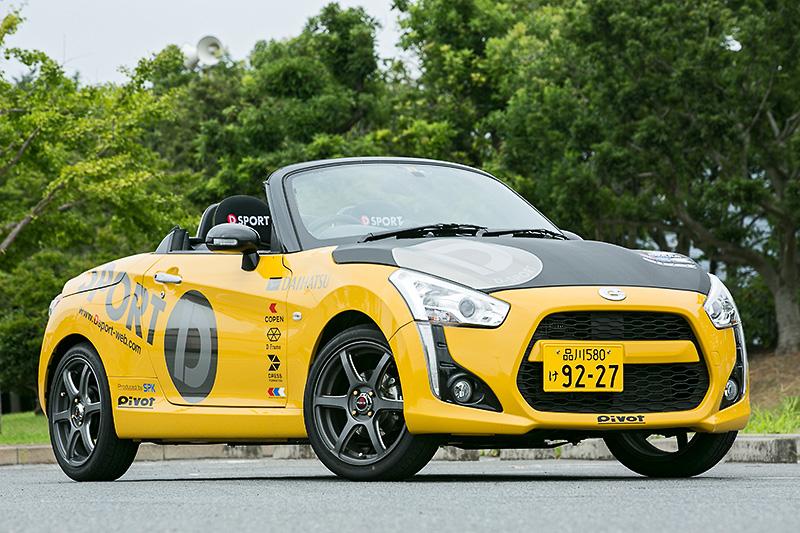
| 1st gen (L880K, Japan) | Copen Ultimate Edition | JB-DET 659cc I4 Turbo | BBS wheels, Recaro seats, MOMO wheel, aero |
| 1st gen (L880K, Japan) | Copen Ultimate Edition II | JB-DET 659cc I4 Turbo | BBS, Recaro, MOMO, special trim, unique colors |
| 1st gen (L880K, Japan) | Copen Ultimate Edition S | JB-DET 659cc I4 Turbo | BBS, Recaro, Bilstein, special badging, aero |
| 1st gen (L880K, Japan) | Copen 10th Anniversary Edition | JB-DET 659cc I4 Turbo | Special interior, unique paint, anniversary badging |
| 1st gen (L880K, Japan) | Copen Tan Leather Edition | JB-DET 659cc I4 Turbo | Tan leather seats, leather trim, Active Top |
| 1st gen (L880K, Japan) | Copen Aluminum Top | JB-DET 659cc I4 Turbo | Aluminum roof panels, Active Top, weight reduction |
| 1st gen (L880K, Japan) | Copen (export) | JB-DET 659cc I4 Turbo | LHD/RHD markets, Active Top, market-specific lamps |
Should You Buy a Daihatsu Copen L880K?
Why You'll Love It
- Kei-size usability Tiny footprint makes it ideal for city use, tight roads, and easy storage.
- Active Top hardtop charm Power retractable hardtop adds coupe security with convertible fun and novelty.
- Low running costs Light weight, small tires/brakes, and simple servicing keep consumables affordable.
- Engaging at sane speeds Light chassis and short gearing deliver fun without needing high speeds.
- Strong enthusiast ecosystem Japan has deep aftermarket and knowledge base for L880K tuning and repairs.
- Rising collector interest Clean, stock cars are getting harder to find, supporting values long-term.
Why You Might Not
- Active Top repair risk Hydraulics, sensors, and seals can be costly; neglected roofs are a red flag.
- Rust sensitivity Sills, rear arches, floor, and subframes can rot; repairs quickly exceed value.
- Cooling/head gasket risk Overheating from old radiators/hoses can lead to head gasket issues on JB-DET.
- Limited power ceiling Kei output cap means modest straight-line pace; big gains need major work.
- Cabin and luggage space Very tight interior and small trunk; roof mechanism reduces practical storage.
- Parts logistics outside Japan Some trim/roof parts can be slow or expensive to source internationally.
Who Should NOT Buy This
- Anyone needing rear seats or child seat space
- Drivers over 6'2" or broad-shouldered
- People who can't tolerate roof rattles/squeaks
- Those without covered parking for leak prevention
- Owners who won't do frequent oil changes
- Anyone expecting cheap turbo repairs
- Buyers in rust-belt areas without undercoating
- People needing highway passing power at low RPM
- Drivers wanting quiet cabin and smooth ride
- Those who hate tight entry/exit and low seating
- Anyone needing real cargo space for groceries
- People who can't DIY small fixes and adjustments
- States with strict emissions for modified imports
- Anyone buying a heavily tuned/boosted example
- Those who won't budget for roof hydraulic repairs
- People who need one-car reliability year-round
- Anyone who can't source JDM parts or wait shipping
- Drivers who dislike short wheelbase twitchiness
- Owners who won't water-test and maintain seals
- People expecting modern crash safety standards
Pre-Purchase Inspection Checklist
Critical Priority
High Priority
Medium Priority
Low Priority
Generation History
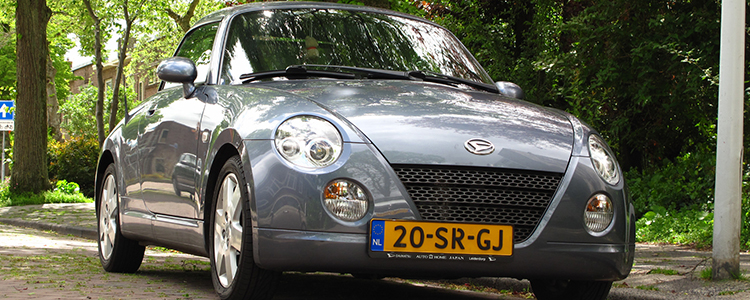
Copen L880K (2002-2012)
- 660cc turbo kei roadster; aluminum hood
- Active Top power retractable hardtop
- JB-DET turbo I4; 64 PS kei limit
- 5MT or 4AT; FWD layout
- Tuned variants: Ultimate, Detachable Top
- Strong parts support in Japan; niche abroad
Market Data
Production Numbers & Rarity
| Generation | Years | Total Built | Notes |
|---|---|---|---|
| 1st gen (L880K) | 2002-2012 | estimated ~80,000 | Estimate; official consolidated total not published |
How It Compares
| Feature | L880K | Suzuki Cappuccino EA11R | Honda Beat PP1 |
|---|---|---|---|
| Layout/Drive | FWD, 2-seat | RWD, 2-seat | RWD, 2-seat |
| Engine | 660cc turbo I4 | 660cc turbo I3 | 656cc NA I3 |
| Power (JDM) | 64 PS (kei cap) | 64 PS (kei cap) | 64 PS (kei cap) |
| Transmission | 5MT or 4AT | 5MT (some 3AT) | 5MT only |
| Roof type | Power retract hardtop | Targa/convertible panels | Soft top |
| Character | Modern kei GT feel | Classic FR roadster | High-rev NA vibe |
| Daily comfort | Better NVH, hardtop | More raw, older | Noisy, minimal |
| Tuning headroom | Good; turbo responds | Good; turbo responds | Moderate; NA costly |
| Market pricing (US) | $12k-$30k typical | $18k-$45k typical | $20k-$50k typical |
| Practicality | Tiny trunk; hardtop | Tiny trunk; panels | Tiny trunk; soft top |
| Weight/feel | Light; stable FWD | Very light; playful RWD | Very light; kart-like |
| Reliability risk | Roof + cooling focus | Rust + age focus | Age + parts scarcity |
| Collector demand | Rising; niche | High; iconic kei FR | High; 90s Honda halo |
Comparable Alternatives
Suzuki Cappuccino
RWD kei roadster; purer sports feel; strong collector pull
Mazda Roadster NA
Bigger, simpler RWD; huge parts support; similar open-top vibe
Toyota MR-S
Mid-engine 2-seater; modern dynamics; more power than kei
Smart Roadster
Tiny turbo roadster; quirky like Copen; watch reliability
In Pictures
The Buyer's Read
The safest L880K buy is a documented car with a working Active Top and a cooling-system history. Cycle the roof three times in a row in front of the seller — if it pauses, stops mid-cycle, or produces an unfamiliar noise, that's your price-reduction conversation starter. Hydraulic pump and seal work runs $900 to $2,500, which is a real number on a car priced at $18,000.
Budgets under $12,000 almost always mean rust in the rockers, a compromised roof, or a JB-DET that's seen at least one overheat. Parts sourcing outside Japan is slow on small Daihatsu items, so the savings on a cheap buy tend to disappear in shipping and wait times. A stock 5-speed manual with service records is worth more than a tuned car — mods past 100 hp start consuming clutches and ring land material, and the resale discount for an aggressive tune is consistent.
For buyers not chasing special editions, a clean 2008-onward L880K with a functional Active Top is the right balance of price and remaining service life. The Ultimate Editions and Aluminum Top carry premiums when original and documented, but a tidy base car drives identically.
The 2002 L880K reaches 25-year US eligibility in 2027; condition outweighs year — a rust-free 2005 with paperwork is a better buy than a corroded 2002, regardless of the eligibility date. Current Goo-net Exchange listings give a real-time read on what the JDM domestic market is doing.
Frequently Asked Questions
- What years of Daihatsu Copen are most desirable?
- For JDM, L880K (2002-2012) is the classic. Desirability tracks condition, rust-free shells, and stock spec more than year.
- When is the Daihatsu Copen US legal under 25-year rule?
- The first L880K model year 2002 becomes eligible in 2027. Later years follow annually under the 25-year rule.
- Is the Copen fast or just fun?
- It’s mostly fun: kei cars are capped at 64 PS in Japan. The joy is light weight, short gearing, and open-top driving.
- What are the biggest problems to check before buying?
- Prioritize rust, Active Top operation (smooth, no leaks), and cooling health (radiator, hoses, temps). Avoid overheated cars.
- Is the automatic Copen worth buying?
- Yes if condition is excellent, but 5MT is more engaging and typically more desirable. Autos can be fine for city use and resale is softer.
- How expensive is the Active Top to repair?
- Costs vary widely: minor switch/sensor fixes can be small, but hydraulic/roof mechanism work can be expensive and parts-dependent.
- What mods help without hurting value?
- Quality tires, fresh suspension bushings, mild exhaust, and reversible intake/ECU are safest. Keep OEM parts to protect resale.
- What should I pay for a good Copen today?
- In the US grey-market context, clean drivers often land $15k-$25k, while exceptional low-mileage, stock cars can push $30k+.
Sources & References
Sources (10)
- Daihatsu Copen — encyclopedic overview — Wikipedia Verified
- Daihatsu Copen review — The AA Verified
- Daihatsu Copen — feature article — Car Throttle Verified
- Copen World — owners' community — Copen World Verified
- Daihatsu Copen — model overview and history — Autoevolution Verified
- Daihatsu Copen — Japanese bargain buys feature — Classic and Sports Car Verified
- Kei car classification and regulations — Wikipedia Verified
- Daihatsu Naked — engine-shared kei contemporary — Wikipedia Verified
- Goo-net Exchange — Daihatsu Copen listings (Japan) — Goo-net Verified
- Bring a Trailer — Daihatsu sale archive — Bring a Trailer Verified
Sources last verified: